Traditional Food Storage: 'Nemat Khana' Recalls Era Before Refrigerators
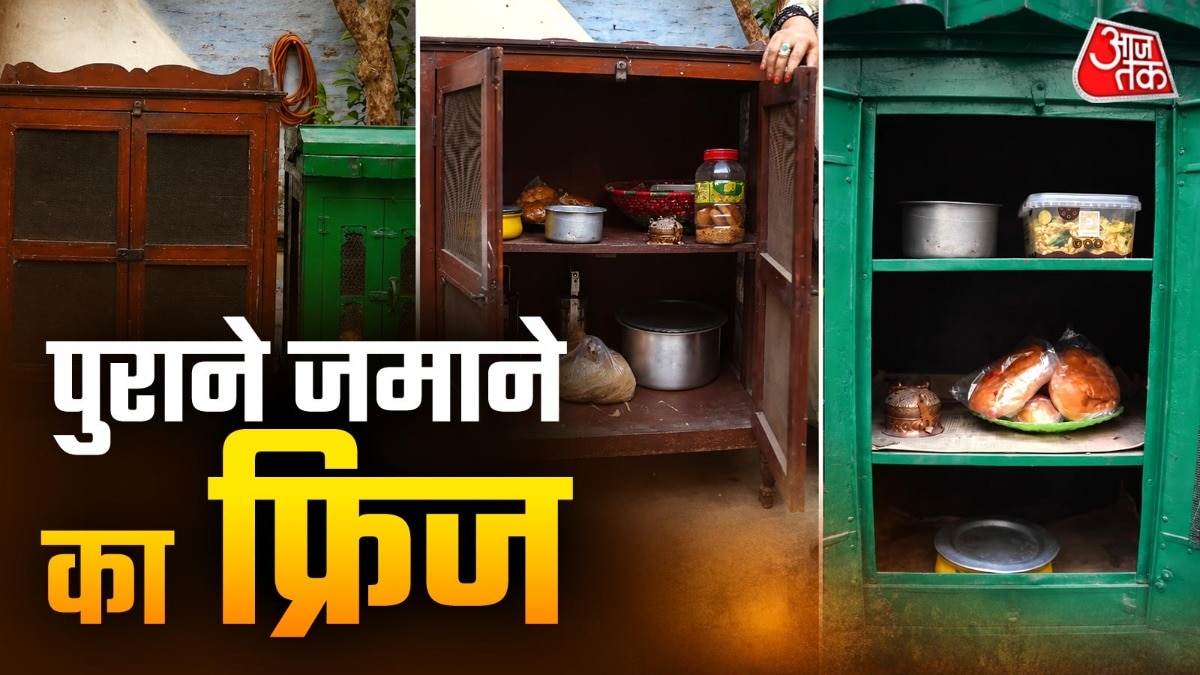
In an era where refrigerators are now a household necessity, there was a time when food could be kept safe for many hours, and sometimes days, without electricity. During that period, people relied on traditional methods for food preservation. These included a netted cupboard known as 'Nemat Khana,' earthen pots, underground cellars ('tehkhana'), and other indigenous techniques.
These methods were the primary means of keeping food fresh and edible before the widespread adoption of modern appliances. The viral mention of 'Nemat Khana' highlights a nostalgic look back at these ingenious, low-tech solutions that served communities effectively for generations.
The resurgence of interest in 'Nemat Khana' and other traditional food preservation methods reflects a growing societal re-evaluation of modern conveniences. As global energy costs fluctuate and concerns about sustainability mount, low-tech, passive cooling solutions offer an alternative perspective on resource management. This trend may indicate a broader shift towards appreciating indigenous knowledge and its potential applicability in contemporary contexts, particularly in regions facing infrastructure challenges or seeking to reduce their carbon footprint. The effectiveness of these older systems, when properly understood and implemented, suggests that innovation does not always require advanced technology, but can also stem from optimizing existing, time-tested principles.
AI-generated to prompt reflection — not editorial opinion, not advice, not a statement of fact. How this works.