Traditional Portuguese Sheep Offal Stew, Sarapatel, Featured on Brazilian TV
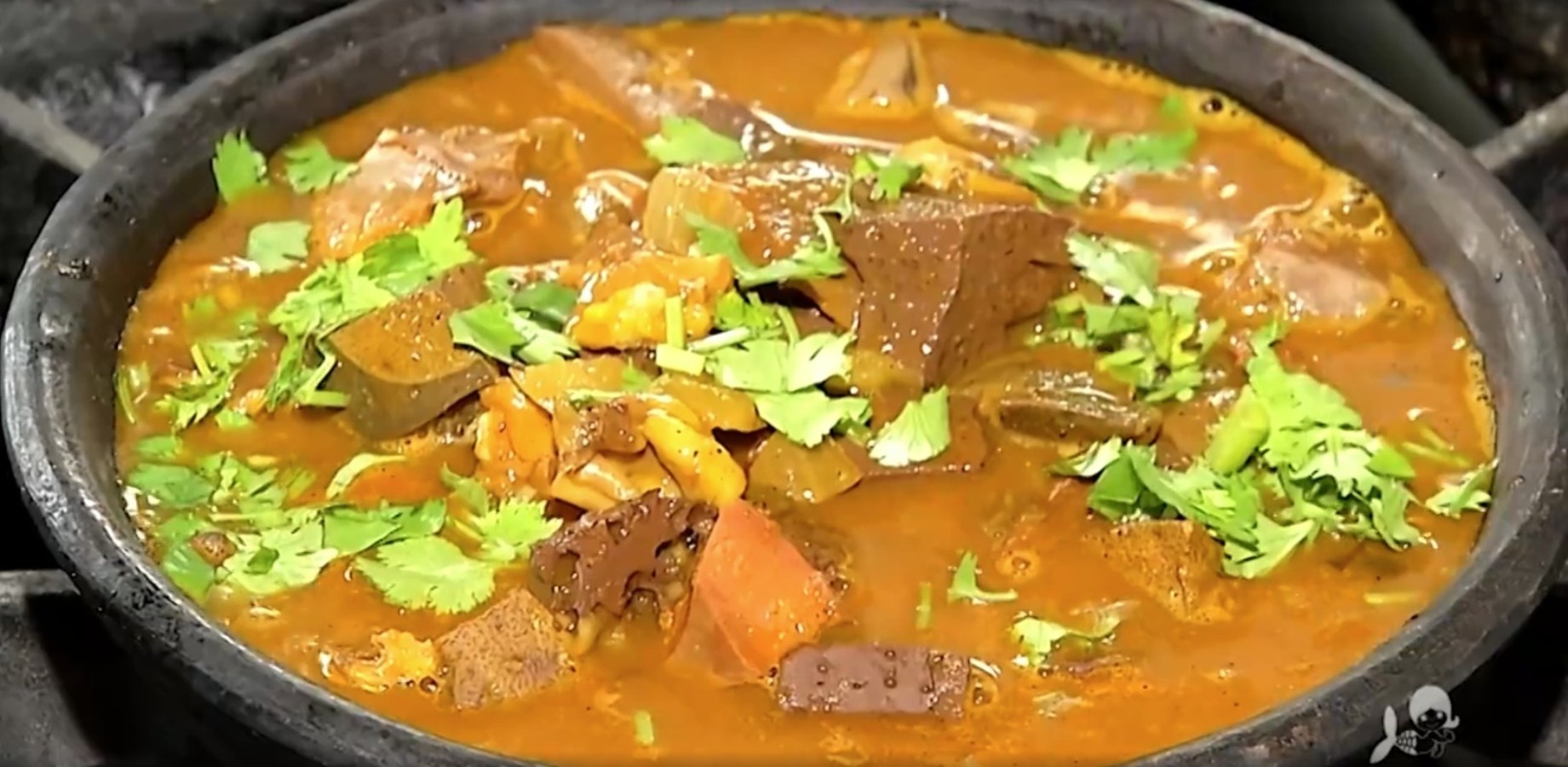
A traditional dish with origins in Portuguese cuisine and a significant presence in Northeastern Brazil, sarapatel de carneiro (sheep offal stew), was the featured recipe on the "Nordeste Rural" television program this past Sunday, December 12th. Known for its intense and distinctive flavor, sarapatel de carneiro is a popular item at Tércio's restaurant, served alongside other regional specialties like buchada, sarrabulho, and roasted lamb. At Tércio's establishment, the dish is available for lunch and as an appetizer, particularly on weekends. Chef João serves the sarapatel in clay pots to help maintain its heat. Typically garnished with fresh herbs, the stew is often accompanied by couscous and caju soda, further highlighting its Northeastern identity. The recipe requires 1.5 kg of sheep offal, 300 g of chopped onion and herbs, 3 chili peppers, 3 cloves of garlic, 145 ml of a homemade seasoning blend (onion, garlic, chili pepper, water), 38 g of annatto powder, 40 g of meat seasoning, 2.25 liters of water, and salt to taste. Preparation involves simmering the offal with chili peppers, garlic, meat seasoning, annatto powder, the blended seasoning, bell pepper, and onion in water over medium heat for 30 minutes, stirring every five minutes until the broth is thick and the meat is tender.
This report highlights the cultural integration and adaptation of a traditional Portuguese dish within the Northeastern Brazilian culinary landscape. The emphasis on local ingredients and serving customs, such as the use of clay pots and pairings with regional staples like couscous and caju soda, demonstrates how culinary traditions evolve and gain new identities through cultural exchange. The detailed recipe provides a practical insight into the preparation of sarapatel, underscoring the sensory appeal and complexity of the dish. From a systems perspective, the continued popularity and promotion of such traditional foods reflect a broader societal value placed on heritage and local identity in the face of globalization, offering economic opportunities for local restaurants and producers.
AI-generated to prompt reflection — not editorial opinion, not advice, not a statement of fact. How this works.