Traffic Delays Expected on BR-251 and BR-116 for Roadworks
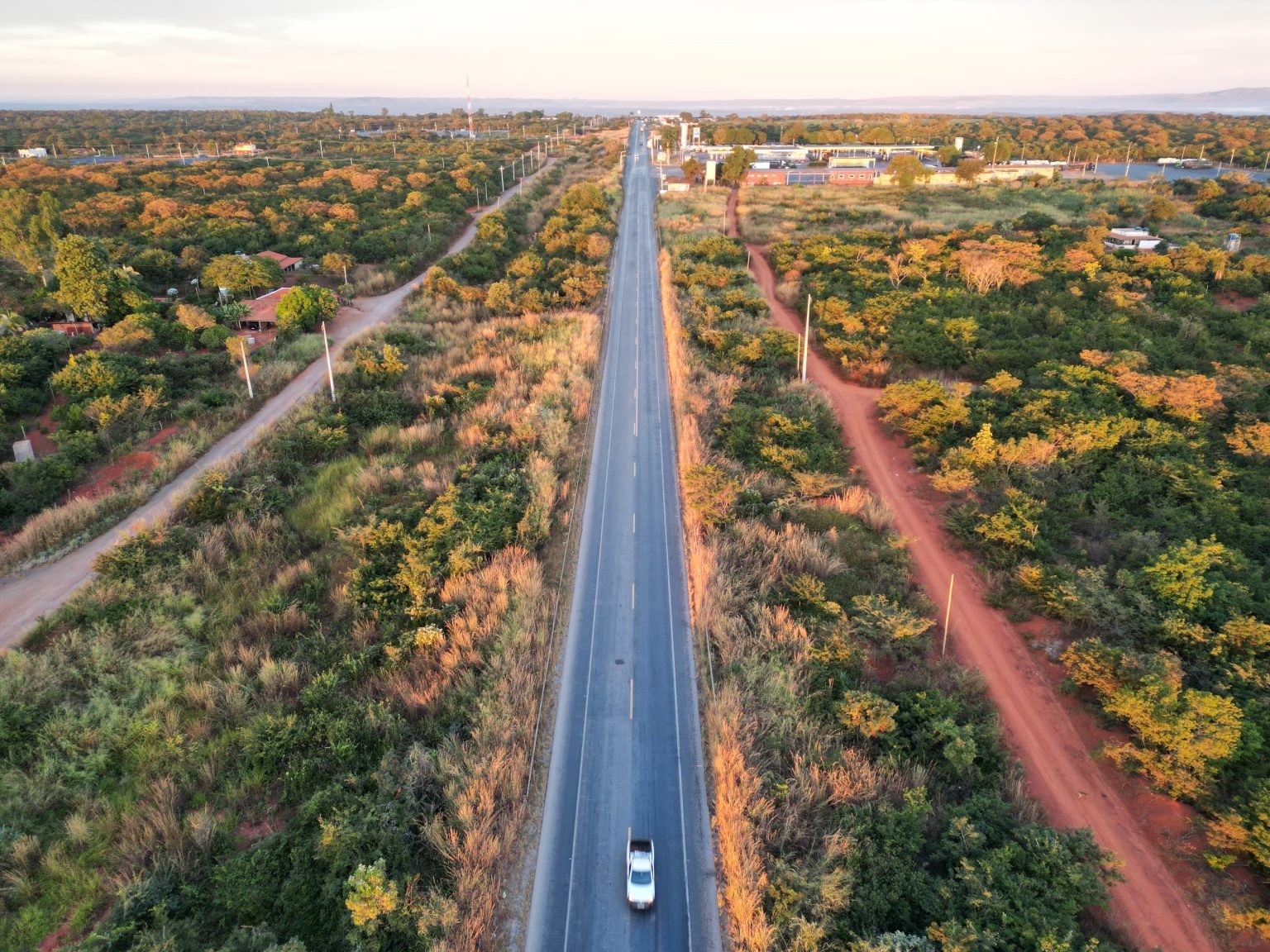
Traffic on sections of Brazil's BR-251 and BR-116 highways will experience "stop-and-go" conditions starting Monday, October 27th, due to essential maintenance and safety improvements. These interventions are being carried out by Ecovias das Gerais, the concessionaire that won the federal auction for these highway segments in Minas Gerais. The work will take place daily between 9 AM and 5 PM. Specifically, on BR-251, the affected stretch is between kilometers 505 and 523, connecting Montes Claros and Francisco Sá. On BR-116, the work will occur between kilometers 0 and 25, near the Divisa Alegre junction. The planned improvements include pavement repair, lane maintenance, clearing of the right-of-way, and upkeep of drainage and signage systems. These efforts are part of the "100-Day Plan," an initiative launched on July 3rd by Ecovias das Gerais to address urgent road recovery needs and enhance road safety, particularly at accident-prone curves and descents. The concession agreement covers 734.9 kilometers across 26 municipalities, with an investment of R$13 billion over 30 years, 70% of which will be applied in the first decade. This corridor is vital for logistics between the Southeast and Northeast regions, with 90% of its traffic comprising heavy vehicles on long-haul journeys. Toll collection is not expected during the initial 100-day plan, but will commence in mid-December via a free-flow system, following verification of the concessionaire's compliance by ANTT and an independent firm. User services, including medical and mechanical assistance, are slated to begin in November.
The implementation of a "stop-and-go" traffic system on key Brazilian highways, BR-251 and BR-116, signifies a critical phase in a large-scale infrastructure concession. While aimed at immediate safety and trafficability improvements under the "100-Day Plan," these disruptions highlight the inherent trade-offs between necessary maintenance and the economic impact on logistics and commuters. The significant long-term investment of R$13 billion over 30 years, with a substantial portion allocated to the initial decade, suggests a strategic focus on modernizing this vital corridor. The transition to a free-flow toll system post-initial works, coupled with various discount structures and user service provisions, indicates a move towards more efficient, albeit potentially more costly, road usage. Future analysis should consider the long-term effectiveness of these investments in enhancing safety, reducing transit times, and fostering regional economic development, while also monitoring the balance between public service obligations and the concessionaire's financial objectives.
AI-generated to prompt reflection — not editorial opinion, not advice, not a statement of fact. How this works.