Traffic Fatalities Surge Nearly 20% in President Prudente Region in 2026
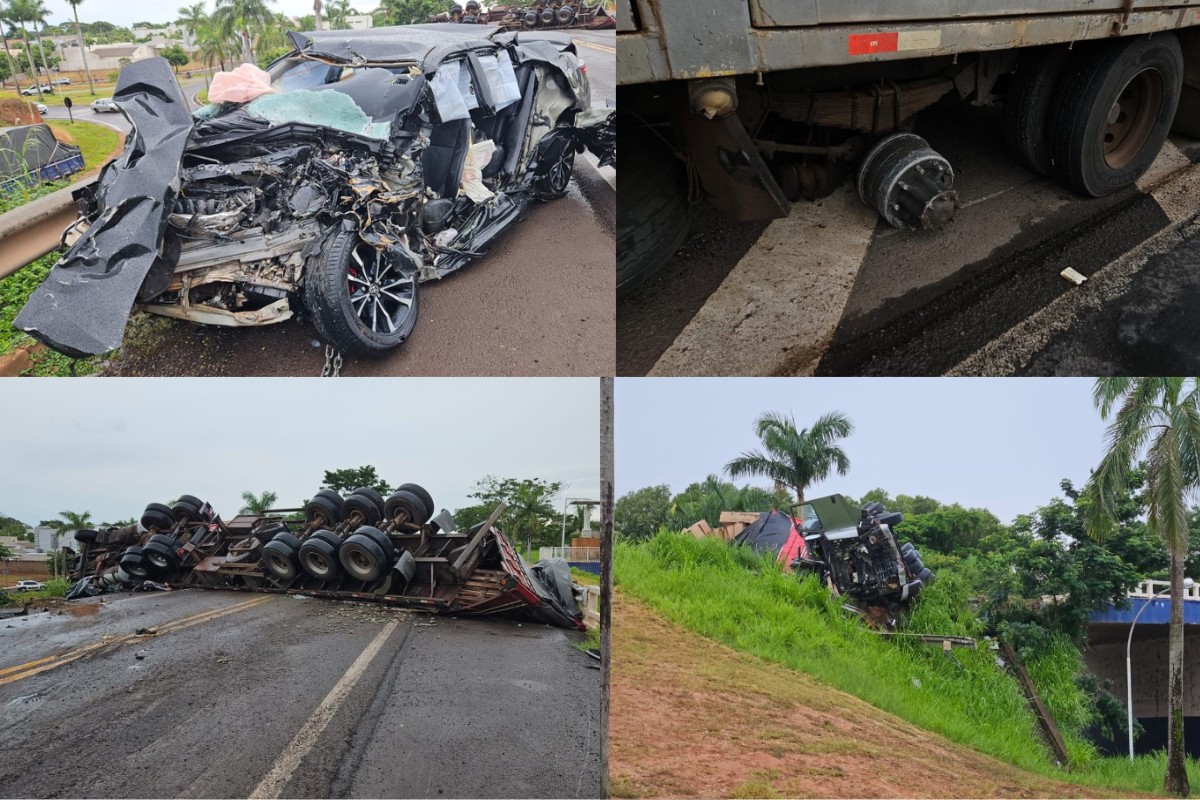
The President Prudente region in São Paulo, Brazil, experienced a nearly 20% increase in traffic fatalities during the first half of 2026 compared to the same period in 2025. Data from Detran-SP, collected by TV TEM, indicates 79 fatal accidents between January and June 2026, up from 66 in the previous year. June alone saw 16 fatal accidents, an increase from 13 in June 2025, contributing to a rise in overall traffic incidents from 255 to 302. A significant contributing factor identified is the behavior of drivers involved in accidents; 50% had prior speeding tickets, and 20.4% were caught driving under the influence. The increase in fatalities was notably driven by accidents involving motorcyclists, which rose by 8.2%. In contrast, the state of São Paulo as a whole saw a decrease in traffic deaths during the first semester, though the capital city experienced an increase. Traffic safety expert Rodrigo Turella emphasized that these fatalities are preventable and stem from inadequate driver behavior and law infringement. He also highlighted that while the state and some municipalities have established road safety observatories, the President Prudente region has not yet implemented such a system. Recent incidents include a head-on collision on Rodovia Júlio Budiski injuring six people, and a fatal crash in Rosana where a driver died after veering into oncoming traffic. Additionally, an investigation concluded that two drivers were indicted for participating in an illegal street race in Dracena in December 2025, which resulted in the death of a 22-year-old motorcyclist. The involved vehicles were traveling at speeds significantly exceeding the 40 km/h limit, with one reaching up to 120 km/h.
The concerning rise in traffic fatalities in the President Prudente region, despite a statewide decrease, points to localized issues potentially linked to enforcement gaps or specific behavioral patterns. The high prevalence of prior speeding violations and DUIs among involved drivers suggests that existing deterrents are insufficient. The expert's observation about the absence of a regional road safety observatory, unlike other parts of São Paulo, indicates a potential systemic deficiency in data-driven policy and intervention. Looking ahead, the increasing integration of technology in vehicles and traffic management could offer new avenues for safety, but these must be coupled with robust public awareness campaigns and stricter enforcement, particularly concerning speeding and impaired driving. The disparity between regional and state trends warrants a targeted investigation into the socio-economic and infrastructural factors influencing driver behavior in this specific area.
AI-generated to prompt reflection — not editorial opinion, not advice, not a statement of fact. How this works.