Train Departure Board Offers Home Convenience
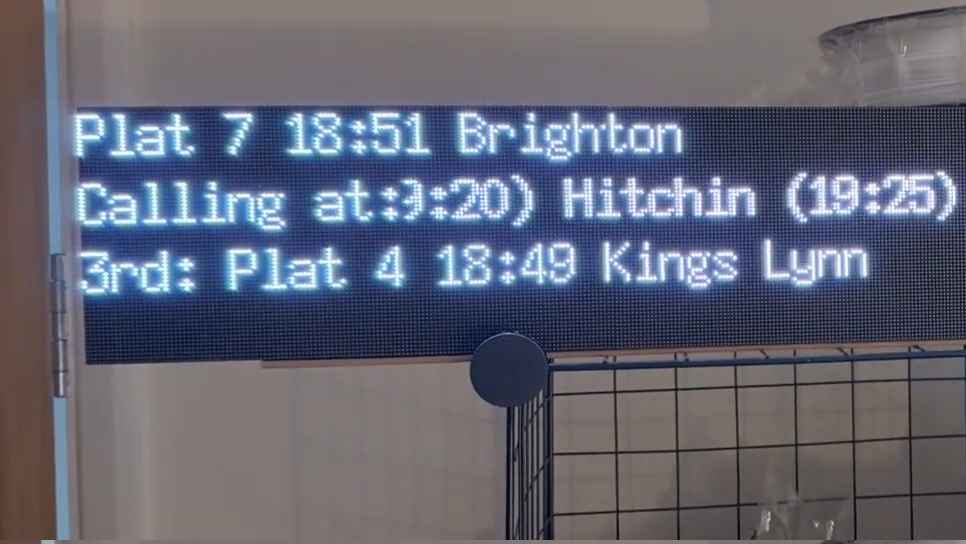
A new product aims to bring the convenience of a train station departure board into the home. This device is designed to help individuals stay organized and informed about train schedules, ensuring timely travel. The core idea is to provide real-time updates and essential information typically found at stations, directly within a user's living space. This allows travelers to manage their journeys more effectively without needing to constantly check separate apps or websites. The product focuses on simplifying the process of staying aware of departure times and potential delays. Its aim is to reduce the stress associated with train travel by providing a centralized and easily accessible information source. The departure board for the home is presented as a solution for those who rely on trains for their commute or travel plans and value punctuality. It offers a dedicated display for train-related information, enhancing the user's ability to plan and execute their trips efficiently. The product seeks to bridge the gap between the public transit experience and personal convenience.
This product taps into the growing consumer demand for smart home devices that integrate with daily life. By digitizing the train station departure board for home use, it addresses a specific pain point for frequent travelers: the need for accessible, real-time schedule information. The innovation lies in its potential to reduce cognitive load and improve time management for users. As AI and IoT technologies mature, we can anticipate further integration of public transit data into personalized home interfaces, potentially streamlining multimodal transportation planning. This trend reflects a broader societal shift towards hyper-personalization and convenience, powered by data-driven services. The success of such a device will likely depend on its accuracy, ease of use, and seamless integration with existing transit data streams.
AI-generated to prompt reflection — not editorial opinion, not advice, not a statement of fact. How this works.