Train passenger severely injured by stone thrown at window in Sirajganj
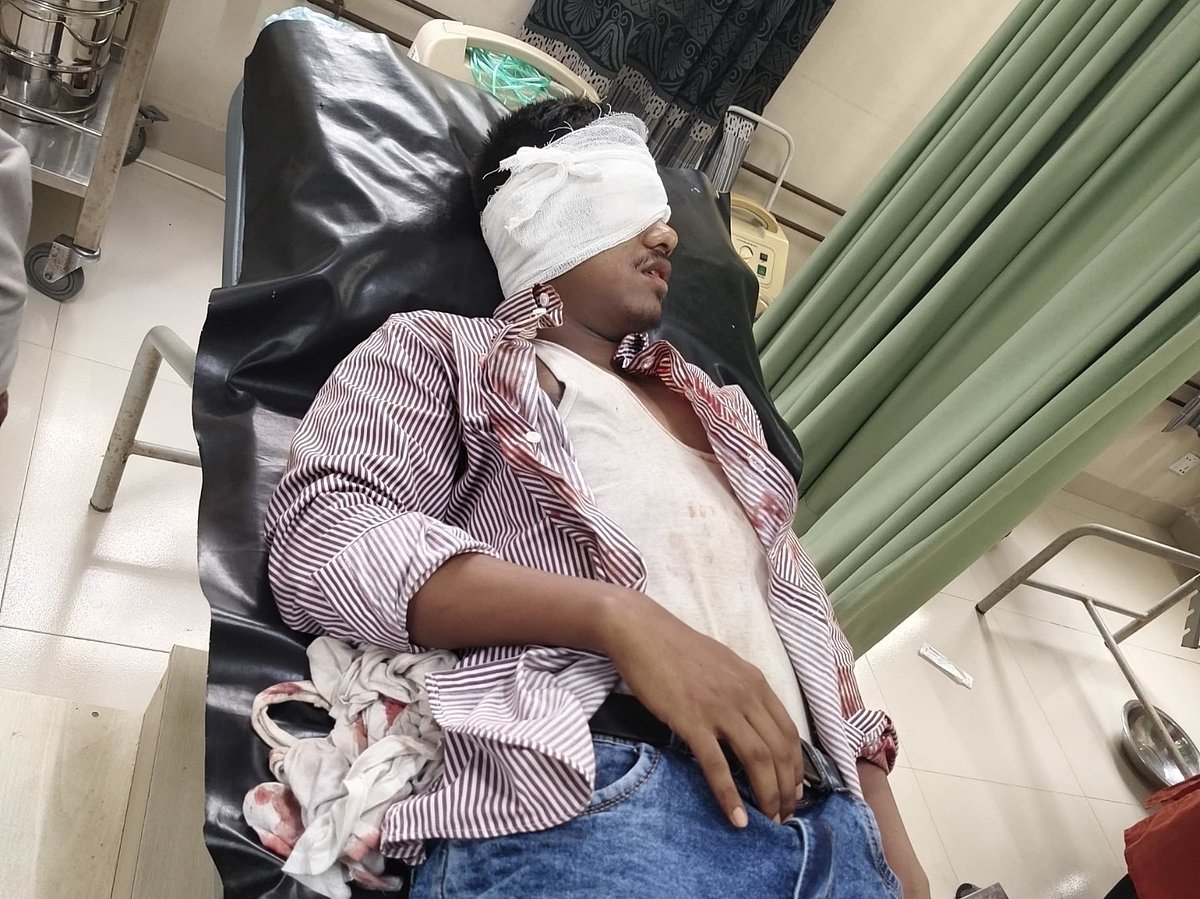
A passenger sustained a severe eye injury after individuals threw a stone at the Durjoy Express train in Sirajganj, Bangladesh. The incident occurred on Tuesday afternoon between Ullapara and Jamtoli railway stations. The injured passenger, identified as Sabbir Hossain, a 22-year-old resident of Keshabpur village in Akkelpur upazila, Joypurhat, was subsequently taken to the National Institute of Ophthalmology and Hospital in Dhaka for advanced treatment. Railway police reported that the train, en route to Dhaka from Panchagarh, was struck by the projectile around 4:15 PM. The stone entered through the window and hit Sabbir Hossain's right eye, causing serious harm. Upon reaching Jamtoli station at approximately 4:30 PM, Sabbir was disembarked and initially treated at a private hospital in Kamarkhand upazila. Following initial medical care, doctors referred him to Dhaka for specialized treatment. Rakibur Rahman, the Assistant Station Master at Jamtoli railway station, confirmed the severity of the injury to the passenger's right eye and the prompt medical attention provided. The Officer-in-Charge of Sirajganj Railway Market Station Police Station, Khairul Islam, stated that legal proceedings are underway regarding the stone-throwing incident.
This incident highlights a concerning pattern of public safety risks on railway networks, where infrastructure and passenger security can be compromised by unprovoked acts of vandalism. The deliberate targeting of a moving train with projectiles poses a significant threat to life and well-being, necessitating a robust response from law enforcement and potentially improved security measures along railway corridors. From a systemic perspective, understanding the motivations behind such actions—whether random hooliganism or more organized disruption—is crucial for developing effective preventative strategies. Future considerations might include enhanced surveillance, community engagement programs in vulnerable areas, and stricter penalties for offenders to deter future occurrences and ensure the safe operation of public transportation.
AI-generated to prompt reflection — not editorial opinion, not advice, not a statement of fact. How this works.