Training Chest and Back Muscles Scientifically Proven to Protect Heart Health
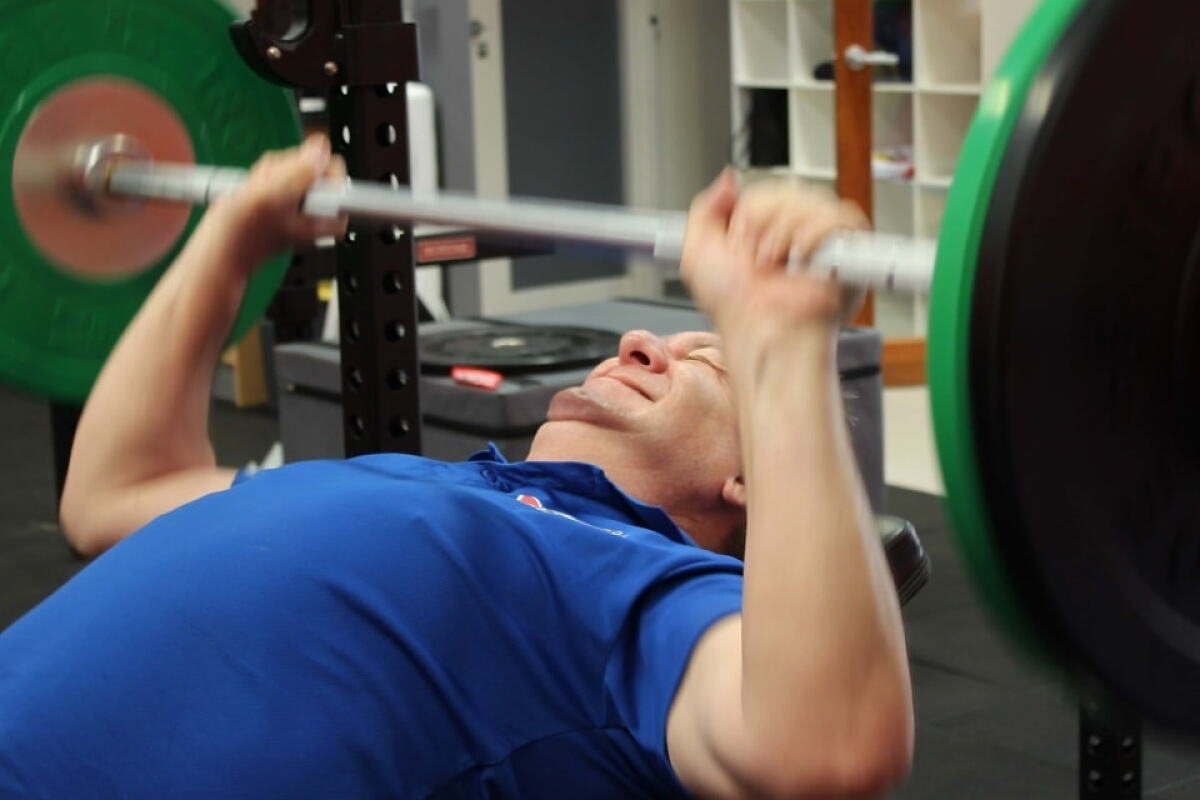
A recent study has revealed a significant scientific link between muscular strength in the chest and back and a reduced risk of heart attack. The research concludes that individuals with well-developed muscles in these specific areas are less likely to suffer a cardiac event or mortality within the next decade. This finding suggests a protective physiological mechanism associated with muscle mass in the upper body. The study highlights the importance of targeted strength training for overall cardiovascular well-being. Further investigation may explore the precise biological pathways through which these muscles exert their cardioprotective effects. The implications for public health recommendations regarding exercise and heart disease prevention could be substantial. This research adds to the growing body of evidence supporting the benefits of resistance training for a wide range of health outcomes.
This study suggests a correlation between upper body muscle development and reduced cardiovascular risk. The scientific rationale likely involves improved metabolic health, enhanced circulation, and potentially a more resilient physiological response to stress. From a public health perspective, these findings could inform exercise guidelines, emphasizing the benefits of resistance training for heart health beyond traditional aerobic recommendations. Understanding the underlying mechanisms may lead to more targeted interventions for cardiovascular disease prevention, particularly in populations less engaged with conventional fitness routines. The long-term implications point towards a more holistic view of exercise, integrating strength training as a critical component for longevity and disease management in the coming decade.
AI-generated to prompt reflection — not editorial opinion, not advice, not a statement of fact. How this works.