Trang An: Vietnam's Serene UNESCO World Heritage Site Offers a New Tourist Experience
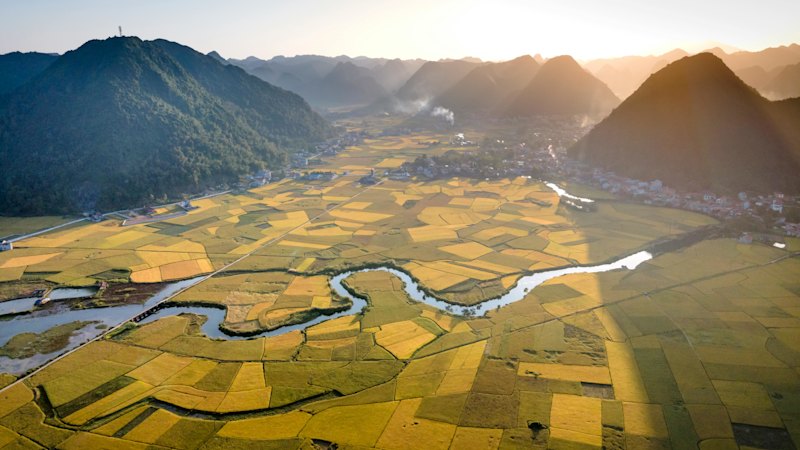
The Trang An landscape, a UNESCO World Heritage site in Vietnam, is emerging as a noteworthy tourist destination. Unlike more established attractions, Trang An has the advantage of being a relatively new tourist development. This allows it to learn from the operational and environmental challenges faced by other popular regions. The site's designation as a World Heritage area underscores its significant natural and cultural value. It aims to provide a serene and well-managed visitor experience, potentially setting a new standard for tourism in Vietnam. This approach suggests a focus on sustainable tourism practices from its inception. The landscape offers a different, more tranquil experience compared to other well-known Vietnamese destinations like Ha Long Bay. Its development appears to prioritize preserving its natural beauty while accommodating visitors.
The development of Trang An as a tourist destination presents an opportunity to explore best practices in heritage site management. By learning from the experiences of other UNESCO sites, Trang An can potentially mitigate common issues such as over-tourism, environmental degradation, and cultural commodification. The emphasis on a 'serene' experience suggests a strategic choice to differentiate from more crowded alternatives, appealing to a segment of the market seeking tranquility and authenticity. This approach could foster a more sustainable tourism model, balancing economic benefits with the preservation of the landscape's intrinsic values. Future success will likely depend on continued adherence to UNESCO guidelines and effective local governance to ensure long-term ecological and cultural integrity.
AI-generated to prompt reflection — not editorial opinion, not advice, not a statement of fact. How this works.