Trans woman recounts trauma after brutal bottle attack in Rosário, Maranhão
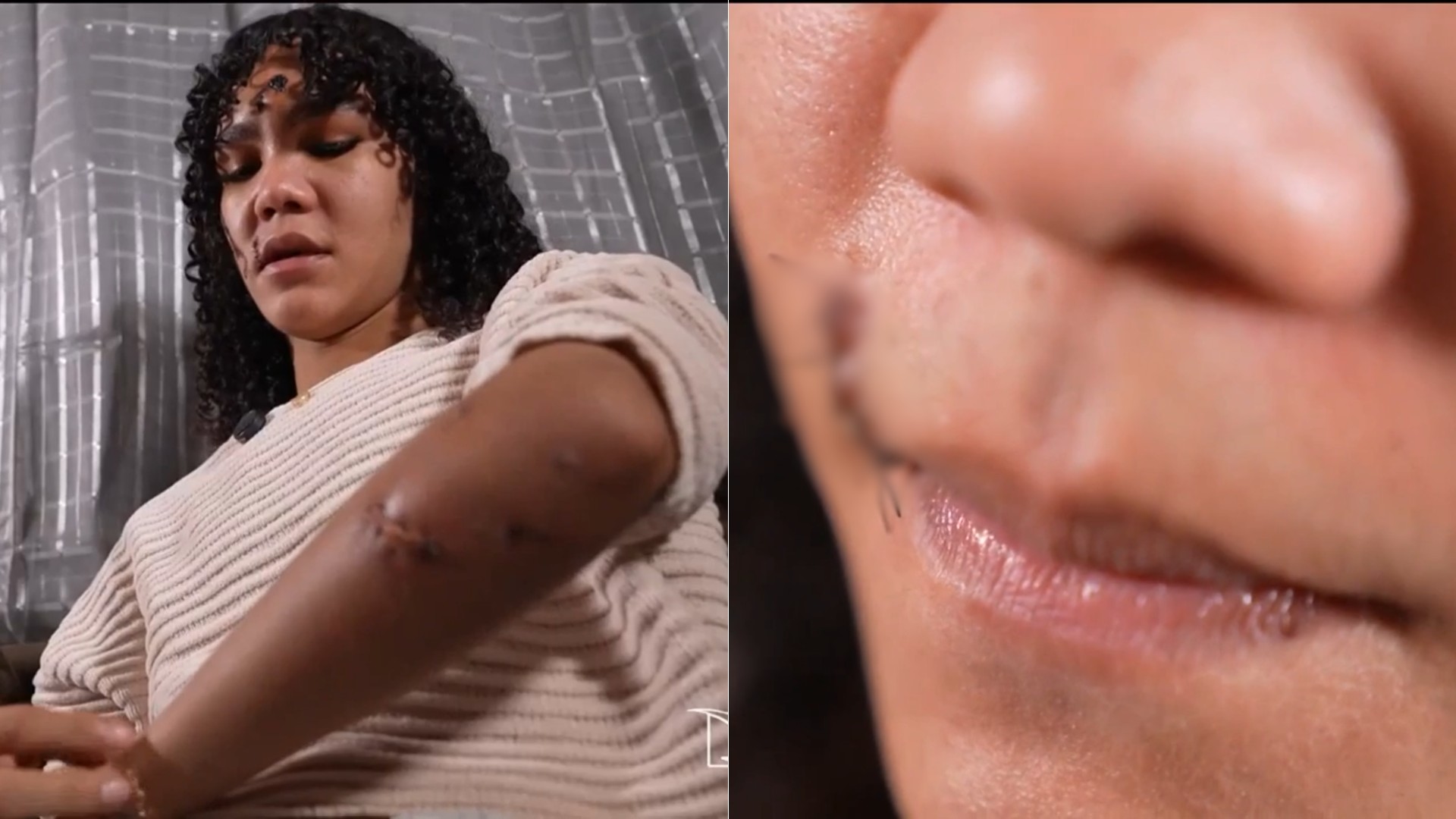
Guida Calvet, a 24-year-old transgender woman, is experiencing significant physical pain and psychological trauma following a violent assault in Rosário, Maranhão, approximately 69 km from São Luís. The incident occurred on Sunday, May 19th, when a man identified as Alberto Felipe Caires Mendonça, 20, attacked her with a broken beer bottle. Calvet stated she was called by the suspect to talk near a square while with friends at a bar, and that there was no prior argument or disagreement. As she prepared to leave on her bicycle, she was unexpectedly attacked. The assault inflicted injuries to her head, face, and chest, requiring her to spend two nights in the hospital. A witness intervened, stopping the attack. Mendonça was arrested preventively on Thursday, May 23rd, and the Civil Police of Maranhão are investigating the case as attempted qualified homicide. Calvet described ongoing pain, difficulty sleeping, and fear, stating she struggled to look in the mirror and felt traumatized but grateful to have survived. The suspect, Mendonça, admitted to the assault but claimed provocation, intoxication, and acting on impulse. The police, however, emphasized that the severity of the violence, including blows to vital areas with a broken bottle, indicated a clear risk to Calvet's life, and that the homicide was only prevented by third-party intervention. While the Civil Police have not yet identified gender identity as a motive, the OAB-MA's Human Rights Commission has urged an investigation into potential transphobia, noting its impact on legal proceedings and sentencing. Data from the Maranhense Association of Travestis and Transsexuals indicates ten aggressions against trans individuals in the state between December 2025 and June 2026, highlighting concerns about structural transphobia.
This incident highlights the critical intersection of interpersonal violence and societal prejudice. While the suspect cited intoxication and impulse, the severity of the attack and the victim's vulnerability underscore the need for robust legal frameworks that address hate crimes effectively. The differing perspectives on investigating transphobia, with the police focusing on immediate evidence and advocacy groups emphasizing systemic issues, reveal a common challenge in translating societal concerns into actionable legal processes. Moving forward, fostering a more inclusive society requires not only swift justice for victims but also proactive measures to dismantle the underlying transphobic structures that contribute to such violence. The long-term implications involve understanding how societal attitudes, legal interpretations, and law enforcement practices can either perpetuate or mitigate harm against marginalized communities.
AI-generated to prompt reflection — not editorial opinion, not advice, not a statement of fact. How this works.