Transfer of Khamenei's Body to Iraq for Funeral: Political and Religious Implications
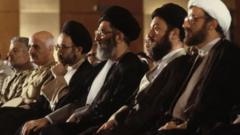
The transfer of Ayatollah Ali Khamenei's body from Iran to Iraq for funeral processions in Najaf and Karbala raises significant political and religious questions regarding the historical relationship between the two countries. This event prompts an examination of the historical context, particularly the treatment of Shia Muslims in Iraq under Saddam Hussein's regime and its potential impact on contemporary Shia communities. The implications extend to the religious authority and influence of Iran within Iraq and the broader Shia world. The planned ceremonies in Najaf and Karbala, two of the holiest cities for Shia Islam, are expected to draw considerable attention and participation, potentially highlighting the deep religious and cultural ties between Iran and Iraq. Furthermore, the political messaging behind such a significant event, involving the transfer of a prominent religious and political leader's remains, cannot be overlooked. It may serve to reinforce certain narratives or alliances within the region, impacting geopolitical dynamics. The event also invites reflection on the historical trajectory of Shia identity and political agency in both nations, from periods of repression to contemporary expressions of religious and political solidarity. The specific political and religious messages conveyed through these funeral rites will be closely observed by regional and international actors.
The proposed funeral procession for Ayatollah Ali Khamenei in Iraq, a nation with a complex history of Shia governance and Iranian influence, presents a multifaceted geopolitical and religious dynamic. From a systemic perspective, the event could be interpreted as an assertion of Iran's regional soft power and its historical ties to Iraqi Shia communities, potentially reinforcing existing political alignments. The choice of Najaf and Karbala as ceremonial sites underscores the deep religious significance and shared heritage, but also raises questions about national sovereignty and the potential for external influence on internal Iraqi affairs. As the region navigates evolving power structures and the increasing role of non-state actors, such symbolic gestures warrant careful consideration of their long-term impact on inter-state relations and the internal political landscape of Iraq, particularly in the context of future governance models and Shia political representation.
AI-generated to prompt reflection — not editorial opinion, not advice, not a statement of fact. How this works.