Transfer of Khamenei's Body to Iraq for Mourning: Political and Religious Implications
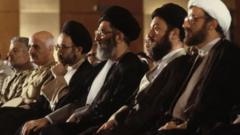
The potential transfer of Ayatollah Ali Khamenei's body from Iran to Iraq for mourning ceremonies in Najaf and Karbala raises significant political and religious questions regarding the historical relationship between the two countries. Such an event would mark a profound moment, potentially symbolizing a deep connection or a strategic move within the complex geopolitical landscape of the region. The implications could extend to the Shia communities in both nations, influencing religious discourse and political alignments. The historical context of Shia relations between Iran and Iraq, particularly in light of Saddam Hussein's era of repression against Iraqi Shias, adds another layer of complexity. This potential transfer could be interpreted in various ways, from a gesture of solidarity and shared religious heritage to a demonstration of Iran's regional influence. The political ramifications might include shifts in regional power dynamics and the strengthening of Shia networks across borders. Religious scholars and political analysts will likely scrutinize the event for its deeper meanings and long-term consequences for interfaith and interstate relations in the Middle East.
The hypothetical transfer of Ayatollah Khamenei's remains to Iraq for public mourning could serve as a potent symbol, potentially reinforcing Shia solidarity across borders and highlighting Iran's enduring influence within the region. This event, occurring against the backdrop of historical repression faced by Iraqi Shias under Saddam Hussein, invites consideration of how such religious and political symbolism interacts with evolving national identities and regional power structures. The strategic implications for Iran's foreign policy and its relationship with Iraqi Shia leadership warrant careful observation, as do the potential responses from other regional and international actors. Examining this through a decade-long lens suggests a continued interplay between religious authority, national sovereignty, and geopolitical maneuvering in the Middle East.
AI-generated to prompt reflection — not editorial opinion, not advice, not a statement of fact. How this works.