Transforming Rural Hubs: Japan's Unmanned Stations as Community Centers
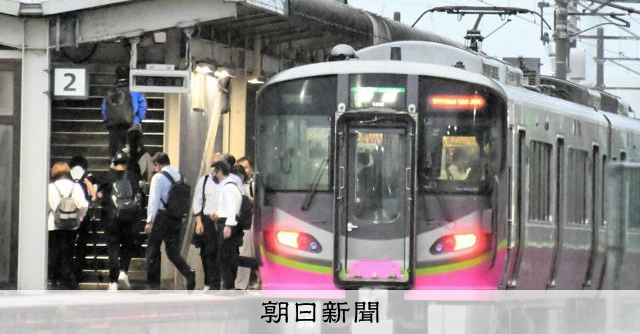
Japan is exploring innovative ways to revitalize its rural communities, particularly focusing on the future of unmanned train stations. As the nation grapples with an aging population and declining birth rates, many smaller towns are facing depopulation, leading to the closure of local services, including train stations. The concept of transforming these unmanned stations into central community hubs is gaining traction. This initiative aims to leverage the existing infrastructure of these stations to provide essential services and foster social interaction, thereby creating vibrant local centers. The strategy is particularly relevant in areas where Shinkansen (bullet train) lines have been extended, potentially leading to the obsolescence of older, smaller stations. By repurposing these stations, communities can adapt to changing demographics and economic conditions, ensuring their long-term survival and sustainability. The goal is to create self-sufficient and attractive living environments that can counteract the trend of urbanization and population decline in rural areas. This approach seeks to redefine the role of public transportation infrastructure in the context of evolving societal needs.
The initiative to repurpose unmanned train stations into community hubs reflects a proactive response to demographic shifts and the potential obsolescence of traditional transport infrastructure. This strategy addresses the systemic challenge of rural depopulation by creating localized economic and social anchors. By leveraging existing assets, communities can foster resilience and adapt to the changing needs of an aging society and evolving mobility patterns. The long-term success will likely depend on integrating these hubs with broader digital and physical connectivity strategies, ensuring they remain relevant in an increasingly automated and interconnected world. This approach offers a model for other regions facing similar demographic pressures, emphasizing community-driven adaptation and the creative reuse of public resources.
AI-generated to prompt reflection — not editorial opinion, not advice, not a statement of fact. How this works.