Transgender Neo-Nazi Denied Asylum in Czech Republic
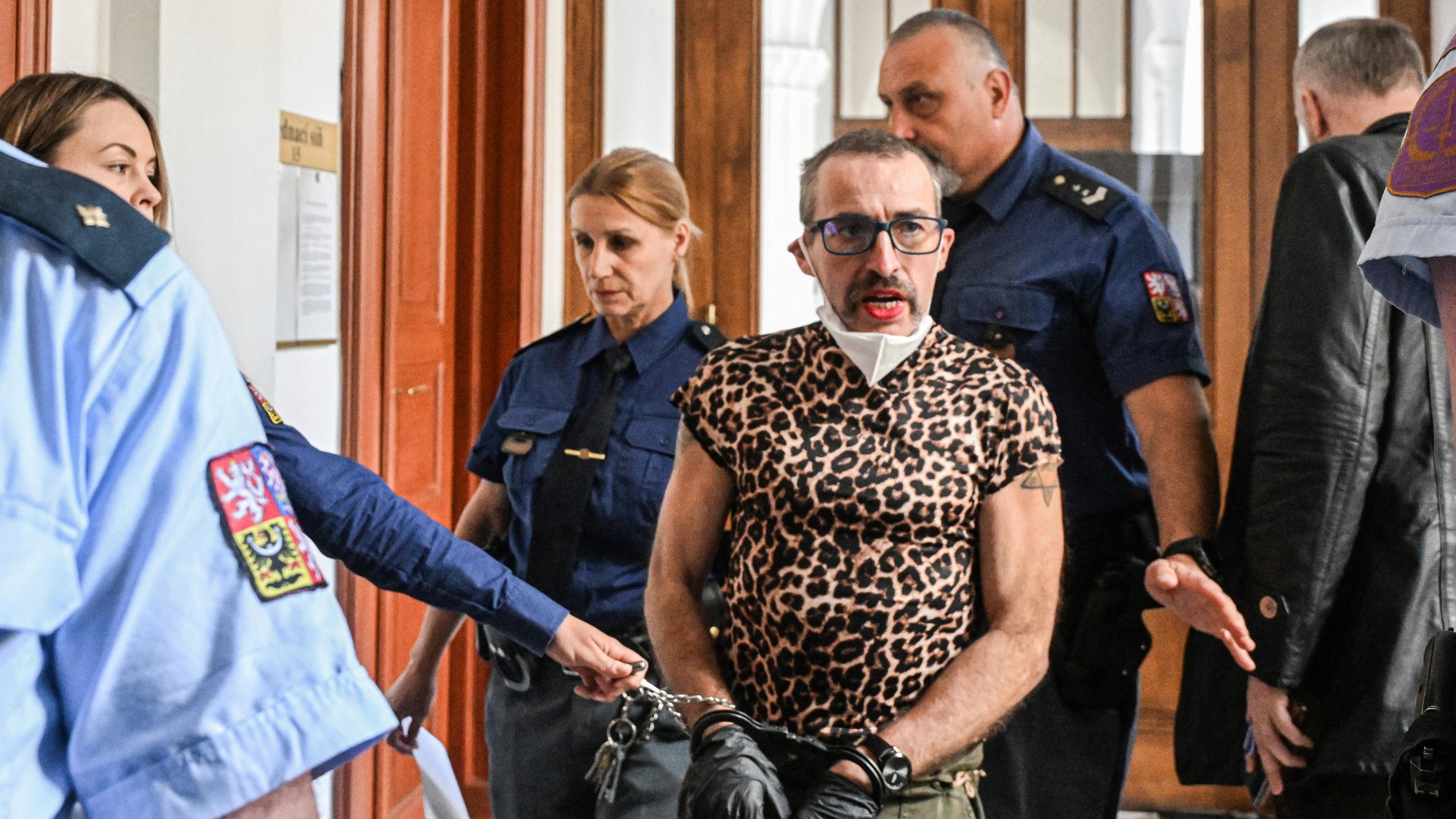
Marla-Svenja Liebich, formerly known as Sven, a prominent figure in East German far-right circles for decades, was arrested in the Czech Republic in April. The arrest was executed based on a European arrest warrant. Liebich, who is transgender, had sought asylum in the Czech Republic. However, Czech courts have ruled against her request. The legal proceedings have determined that she does not meet the criteria for asylum. This decision marks a significant setback for Liebich, who has been a visible presence in far-right politics for a considerable period. The case highlights the complexities of international legal cooperation and asylum claims, particularly involving individuals with controversial political affiliations and personal identities. The ruling by the Czech justice system underscores the specific legal frameworks governing asylum within the European Union.
This case involves the intersection of international legal frameworks, asylum policies, and the complexities of far-right political movements. The denial of asylum to Marla-Svenja Liebich by Czech authorities, despite her prominent role in East German neo-Nazi circles, suggests a careful application of existing immigration and security protocols. The European arrest warrant indicates that Liebich is subject to legal proceedings in another EU member state, likely Germany, which may have influenced the Czech Republic's decision. The ruling underscores the principle that asylum is typically granted based on specific grounds such as persecution, and not solely on political affiliation or personal identity, especially when those affiliations are associated with extremist ideologies. Future policy discussions might explore the balance between humanitarian considerations, national security, and the legal definition of persecution within the EU's evolving migration landscape.
AI-generated to prompt reflection — not editorial opinion, not advice, not a statement of fact. How this works.