Transgender woman released after 9 months in male prison without trial
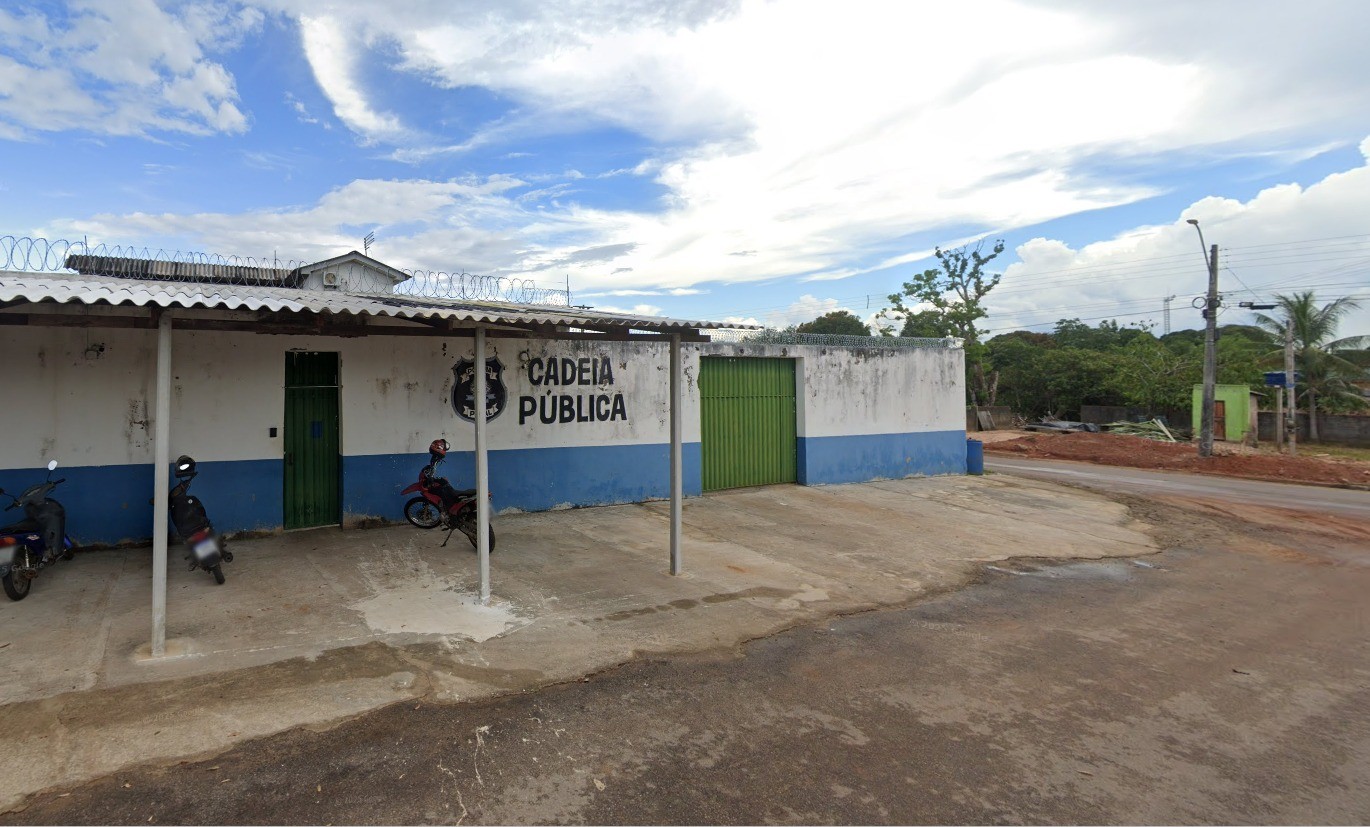
A 23-year-old transgender woman has been released from preventive detention after spending nine months in a male prison in Rondônia, Brazil. The Mato Grosso Public Defender's Office (DPEMT) secured her release on Monday, May 20th, citing illegalities in her continued incarceration. The woman faces charges of threat, resistance, and disobedience stemming from an incident in Sapezal, Mato Grosso, in 2023. She was initially arrested in October 2025 in Presidente Médici, Rondônia, and has been held in a male facility ever since. According to the DPEMT, she was not only held in a facility incompatible with her gender identity but also detained for over nine months without her criminal proceedings commencing. Her first hearing, scheduled for July, was postponed because the prison failed to present her for a videoconference, leading to a rescheduled date about a month later. The DPEMT argued this delay was solely the state's fault and that the initial court failed to address the request to revoke her preventive detention. The appellate court judge, Orlando Perri, replaced her preventive detention with precautionary measures, including regular court appearances, participation in all legal proceedings, a prohibition on leaving the judicial district without permission, and a commitment to avoid further offenses. The Public Defender's Office also highlighted that holding transgender women in male prisons violates the Supreme Federal Court's (STF) stance, which guarantees their right to be housed in female facilities or specialized wings to ensure their physical, moral, and psychological integrity. This aligns with National Justice Council (CNJ) Resolution nº 348/2020, which mandates consulting transgender individuals about their preferred detention location based on their gender identity. The DPEMT views this decision as an end to a series of fundamental rights violations and a reaffirmation of the institution's role in defending vulnerable individuals.
This case highlights systemic issues within Brazil's penal system concerning the treatment of transgender individuals. The prolonged detention of a transgender woman in a male facility, coupled with significant delays in judicial proceedings, points to potential failures in procedural justice and adherence to established legal protections for vulnerable populations. The intervention by the Public Defender's Office and the subsequent release underscore the critical role of advocacy in rectifying such situations. Moving forward, the focus should be on robust implementation of existing regulations, such as STF and CNJ directives, to prevent similar occurrences. This involves not only ensuring appropriate housing based on gender identity but also guaranteeing timely access to legal processes, thereby upholding fundamental human rights and the integrity of the justice system.
AI-generated to prompt reflection — not editorial opinion, not advice, not a statement of fact. How this works.