Transmissible Skin Cancer Found in Catfish in Vermont
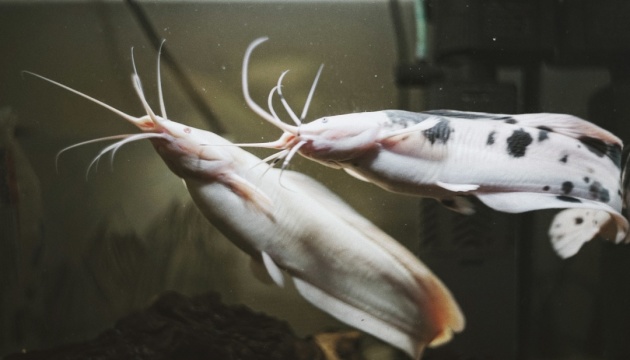
Scientists in Vermont, USA, have identified a form of skin cancer that can be transmitted between catfish. This marks the fourth known instance of a naturally occurring transmissible cancer, a type of cancer capable of spreading from one individual to another within the same species. The discovery highlights the unusual nature of this disease, which is rare in the animal kingdom. Researchers are continuing to study the implications of this finding for catfish populations and the broader understanding of cancer biology. The identification of this transmissible cancer in fish adds to a small but growing list of similar phenomena observed in other species. Further research is expected to shed light on the mechanisms of transmission and the genetic factors involved. This discovery underscores the importance of ongoing biological research and monitoring of wildlife health.
The identification of a transmissible cancer in catfish presents an intriguing biological phenomenon. From a public health perspective, understanding the transmission vectors and environmental factors contributing to the spread of such diseases in wildlife is crucial for ecosystem stability. The rarity of transmissible cancers suggests complex evolutionary and immunological conditions are required for their emergence and persistence. Future research could explore whether similar mechanisms might be influenced by anthropogenic changes to aquatic environments, potentially impacting broader biodiversity. This discovery prompts consideration of how natural selection operates on diseases that can spread between individuals, and whether such cancers represent a novel evolutionary pathway or an anomaly.
AI-generated to prompt reflection — not editorial opinion, not advice, not a statement of fact. How this works.