Transnistria: A Hurdle for Moldova's EU Accession
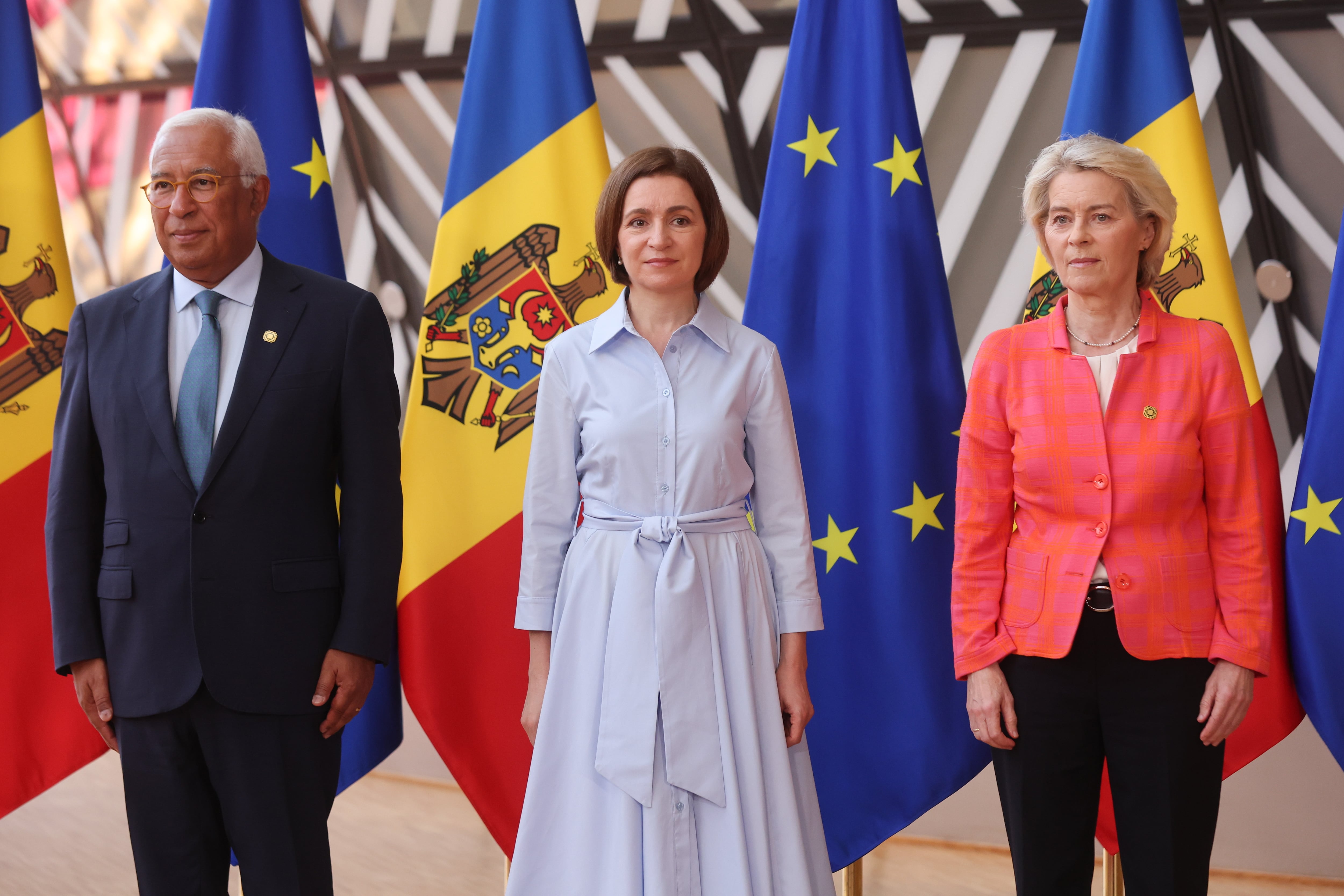
The breakaway region of Transnistria, an former Soviet enclave where Russian troops are stationed, poses a significant challenge to Moldova's aspirations of joining the European Union. The presence of these troops and the unresolved status of Transnistria complicate Moldova's path toward EU membership. The negotiations for Chisinau to enter the EU bloc are likely to be made more difficult by this ongoing territorial dispute. Moldova has been seeking closer ties with the West and has officially applied for EU membership. However, the situation in Transnistria, which declared independence from Moldova in 1990 and has de facto autonomy supported by Russian military presence, remains a major obstacle. The EU typically requires aspirant states to have resolved territorial disputes and established clear borders. The unresolved conflict in Transnistria directly impacts Moldova's ability to meet these criteria. This situation could prolong the accession process and require complex diplomatic solutions to address the region's status and the withdrawal of foreign troops. The geopolitical implications are substantial, as the region is seen as a point of contention between Moldova's pro-European government and Russia.
The unresolved status of Transnistria, coupled with the presence of Russian troops, presents a complex geopolitical and legal challenge for Moldova's EU accession. From an EU governance perspective, membership typically necessitates clear territorial integrity and resolution of internal conflicts. The situation tests the EU's enlargement policy when faced with frozen conflicts and external military influence. Moldova's strategic calculus must balance its pro-European ambitions with the pragmatic realities of its territorial integrity and security. Future EU enlargement frameworks may need to adapt to accommodate such complex situations, considering the long-term stability and security implications for both aspirant nations and the Union itself.
AI-generated to prompt reflection — not editorial opinion, not advice, not a statement of fact. How this works.