Transponder Systems Crucial for Maritime Navigation and Collision Avoidance
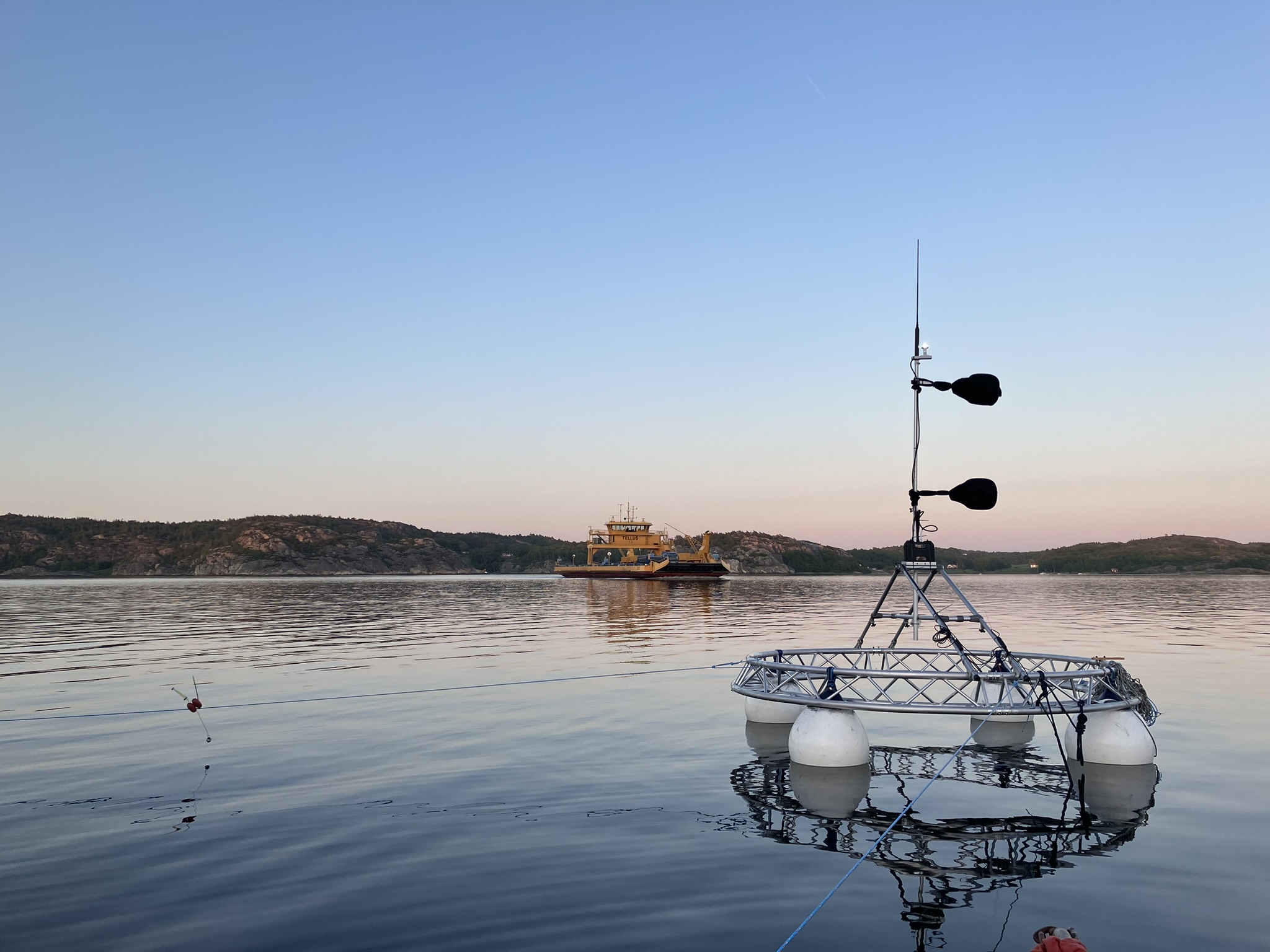
Maritime navigation relies heavily on knowing the precise location of vessels to prevent collisions. While human eyesight is adequate for terrestrial navigation, the vastness of the sea necessitates advanced technology. Transponder systems play a critical role in this regard, transmitting and receiving signals that allow ships to identify each other's positions accurately. These systems are essential for maintaining safety and efficiency in busy shipping lanes and open waters alike. Without reliable transponder functionality, the risk of accidents and disruptions to global trade would significantly increase. The technology enables vessels to track not only their own location but also the location of other equipped ships within a certain range. This continuous exchange of positional data is fundamental to modern maritime traffic management. Ensuring the widespread adoption and maintenance of these transponder systems is therefore a key priority for international maritime safety organizations. The effectiveness of these systems directly impacts the safety of crews, cargo, and the marine environment.
The reliance on transponder systems for maritime safety highlights a fundamental challenge in managing complex, interconnected systems where individual unit failure can have cascading consequences. As global trade volume increases and shipping lanes become more congested, the integrity and reliability of these navigation technologies become paramount. Future advancements will likely focus on enhancing redundancy, improving signal accuracy in adverse conditions, and integrating transponder data with broader AI-driven traffic management systems to preemptively identify and mitigate potential collision risks. This evolution is driven by the economic imperative to minimize costly maritime accidents and the societal need for secure global supply chains, all within the context of an increasingly data-dependent and automated future.
AI-generated to prompt reflection — not editorial opinion, not advice, not a statement of fact. How this works.