Transport Association Warns of Fuel Price Hikes Due to Fiscal Policy
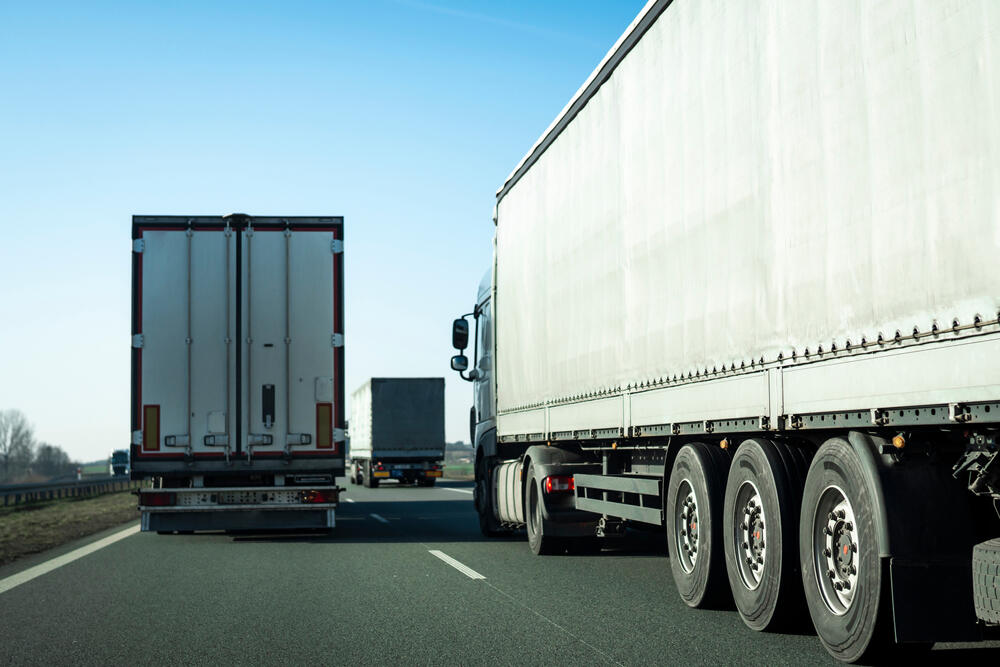
The Association of Carriers has stated that they can no longer absorb the shortfall in budget revenues resulting from excise taxes on diesel fuel. They argue that the burden of fiscal policy should not be shifted onto the transport sector, which is essential for the supply of the entire country. The association emphasizes that carriers cannot continue to subsidize state budget deficits through their business operations. This situation, they contend, will inevitably lead to increased fuel prices. The core issue highlighted is the attempt to transfer the weight of fiscal policy onto an economic sector critical for national supply chains.
The statement from the Association of Carriers highlights a common tension between fiscal policy objectives and the operational realities of essential service industries. When governments rely heavily on excise taxes for revenue, and fuel prices rise due to external factors or policy, the burden disproportionately falls on sectors like transportation. This can create a feedback loop where increased transport costs lead to higher prices for goods and services, potentially impacting inflation and consumer spending. The carriers' argument points to the need for a more balanced fiscal approach that does not place the primary responsibility for budget shortfalls on a single, vital economic sector. Future policy considerations might involve diversifying revenue streams or exploring more direct subsidies or tax adjustments for critical infrastructure providers to ensure economic stability and prevent cascading price increases.
AI-generated to prompt reflection — not editorial opinion, not advice, not a statement of fact. How this works.