Transport Company Fined $2 Million for Biodiesel Spill into Meia Ponte River
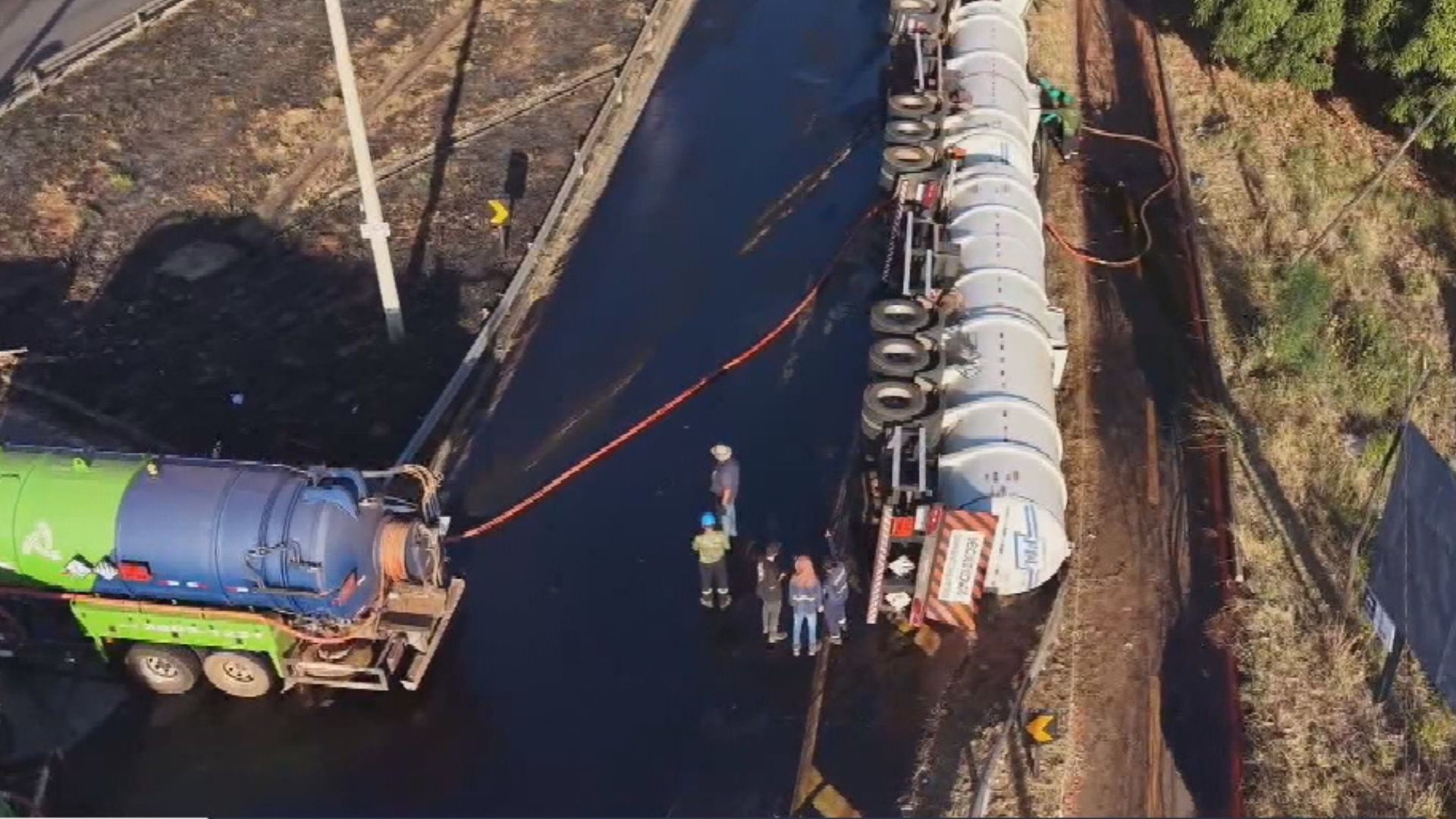
Primavera Diesel Ltda., a transport company, has been fined R$ 2 million following an accident where a truck carrying biodiesel overturned on the GO-403 highway, near Goiânia and Senador Canedo. The incident, which occurred on Saturday, May 1st, resulted in approximately 56,000 liters of biodiesel spilling into the Meia Ponte River. Emergency services, including the Civil Defense, Municipal Environmental Agency (Amma), and the Municipal Secretariat of Efficiency (Sefic), were dispatched to the scene to assess the damage and contain the spread of the fuel. The truck, carrying soybean biodiesel, reportedly tipped onto the shoulder of the road, impacting a guardrail and causing the significant leak. Some of the fuel entered the Meia Ponte River and a culvert. Firefighters established containment barriers and used earth to halt the biodiesel's progression. Saneago, the water utility, stated that the spill occurred below their water intake point on the Meia Ponte River, thus not affecting the water supply system, which remains operational. The Goiânia City Hall has ordered the company to immediately install containment barriers to prevent the biodiesel from flowing further down the river and reaching other municipalities or the Paranaíba River. A representative from the transport company claimed that necessary measures, including barriers on the asphalt and in the river, have been implemented using available market resources to mitigate contamination. The 38-year-old truck driver sustained injuries and was taken to the Hospital Estadual de Urgências de Goiás (Hugo) for medical evaluation.
This incident highlights the critical need for robust safety protocols and emergency response planning in the transportation of hazardous materials like biodiesel. The significant fine imposed on Primavera Diesel Ltda. underscores the environmental and financial repercussions of such spills. While the company claims to have implemented containment measures, the initial breach and subsequent environmental impact necessitate a review of their operational risk management strategies. Future considerations should include enhanced vehicle safety standards, real-time monitoring of transport routes, and more immediate, effective containment technologies to minimize ecological damage and public health risks. The event also prompts reflection on regulatory oversight and the adequacy of existing infrastructure to manage potential environmental crises arising from industrial accidents.
AI-generated to prompt reflection — not editorial opinion, not advice, not a statement of fact. How this works.