Transport Sector Reform Needs Infrastructure and Practical Policies, Says Federation Chairman
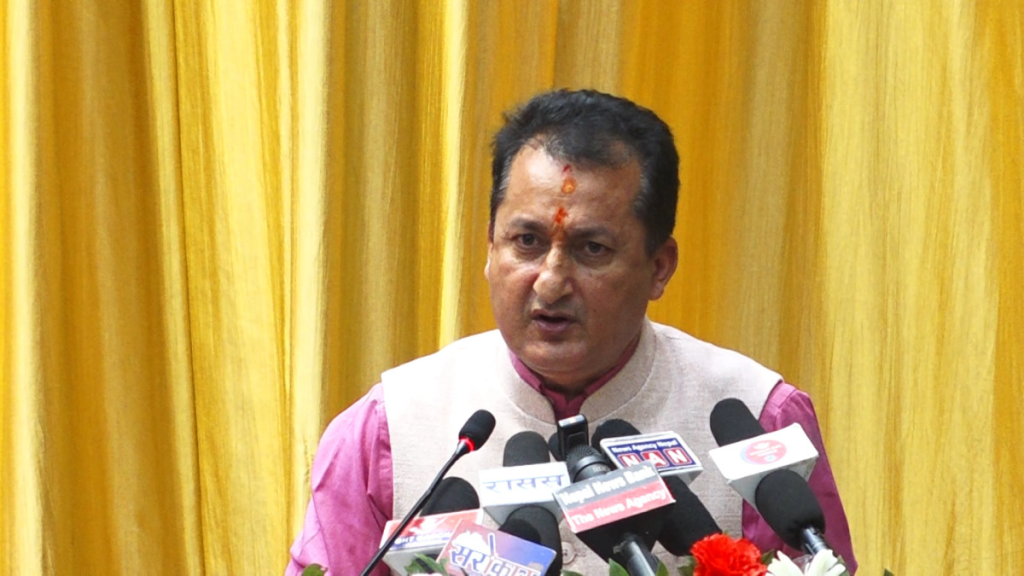
Punnya Prasad Sitaula, Chairman of the National Federation of Transport Entrepreneurs of Nepal, stated that reforms in the transport sector are impossible without substantial development of road infrastructure and practical policies. He expressed this view on Friday during an event celebrating the 14th anniversary of Metro Traffic FM. Sitaula noted that while the government imitates the road policies and fines of developed countries, it fails to consider Nepal's own ground realities and infrastructure limitations. He emphasized that adopting foreign policies without adapting them to local conditions will not yield the desired improvements in the transportation sector. The chairman's remarks highlight a critical gap between aspirational policy-making and the actual implementation capabilities within Nepal's transport system. He suggested that a focus on building robust infrastructure and creating contextually relevant regulations is paramount for progress. Without these foundational elements, any attempts at reform are likely to be superficial and ineffective, failing to address the core challenges faced by the industry and the public. His statement underscores the need for a more grounded and strategic approach to transport sector development in Nepal.
The statement by the Chairman of the National Federation of Transport Entrepreneurs of Nepal points to a common challenge in developing economies: the misapplication of policies from more advanced nations without adequate consideration for local infrastructure and socio-economic contexts. This highlights a potential governance issue where policy formulation may prioritize international benchmarks over practical, on-the-ground realities. The incentive structure for policymakers might be geared towards appearing progressive by adopting foreign models, rather than focusing on the long-term, foundational investments required for sustainable development. Looking ahead, the increasing integration of smart city concepts and autonomous systems in transportation will further necessitate robust physical infrastructure and adaptive regulatory frameworks. Failure to address these fundamental needs could lead to a widening digital and physical divide in Nepal's transport capabilities over the next decade, hindering economic growth and public welfare.
AI-generated to prompt reflection — not editorial opinion, not advice, not a statement of fact. How this works.