Trapped Atoms and Lasers: A New Quantum Computing Roadmap
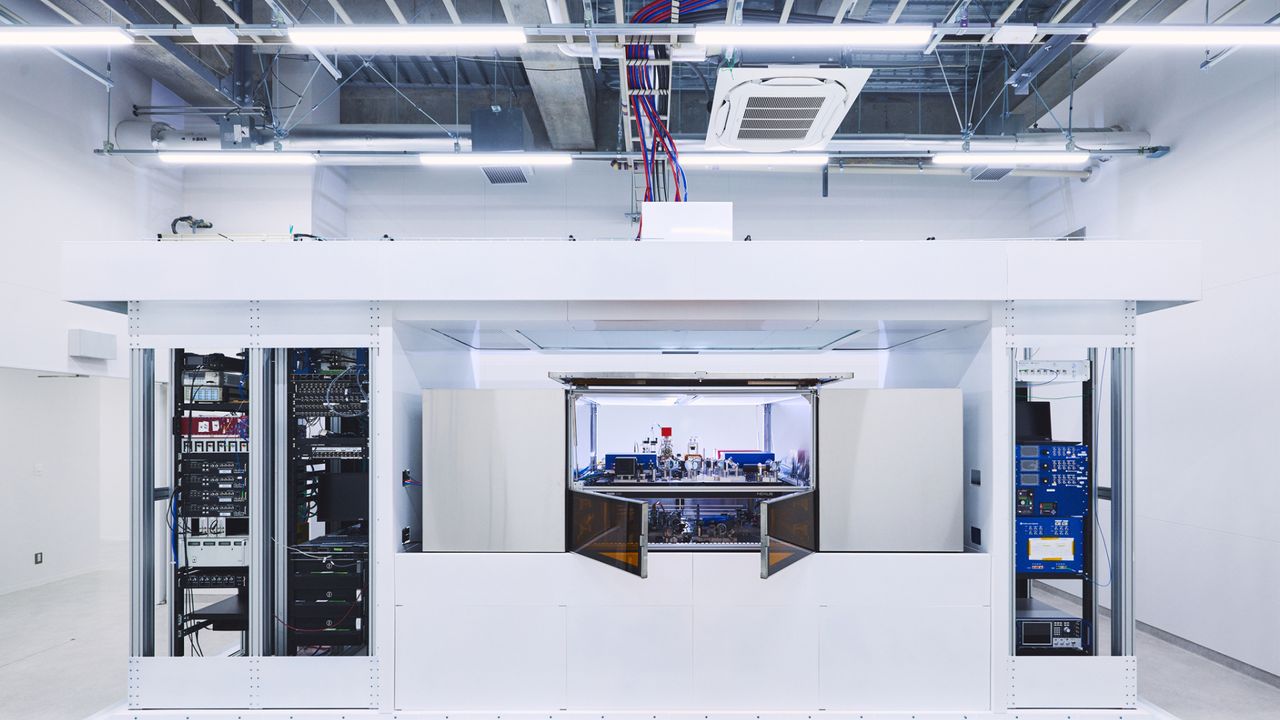
A new roadmap for quantum computing, focusing on trapped atoms cooled by lasers, has been released. This approach, known as Neural Atom Quantum Computing, is rapidly advancing and offers a potential path beyond current limitations in qubit counts. The technology features software-defined configurable arrays, allowing qubits to be physically rearranged during computation. Three prominent companies are highlighted for their work in this field: QuEra, Atom Computing, and Pasqal. These companies are actively developing and operating within the space of atom-based quantum computing.
The development of quantum computing architectures based on trapped, laser-cooled atoms represents a significant departure from other leading modalities like superconducting circuits. This approach's ability to physically reconfigure qubits mid-computation suggests a potential advantage in addressing complex problems requiring dynamic qubit connectivity. The focus on moving beyond simple qubit counts indicates a maturation of the field, prioritizing architectural flexibility and computational power over raw scale. Future advancements will likely depend on the scalability of laser control systems and the fidelity of atom manipulation, as well as the development of robust error correction techniques tailored to this specific architecture. The competitive landscape, featuring companies like QuEra, Atom Computing, and Pasqal, suggests a growing commercial interest and investment in this promising, albeit still nascent, quantum technology.
AI-generated to prompt reflection — not editorial opinion, not advice, not a statement of fact. How this works.