Traveling Near Light Speed: The Universe Becomes a Prison
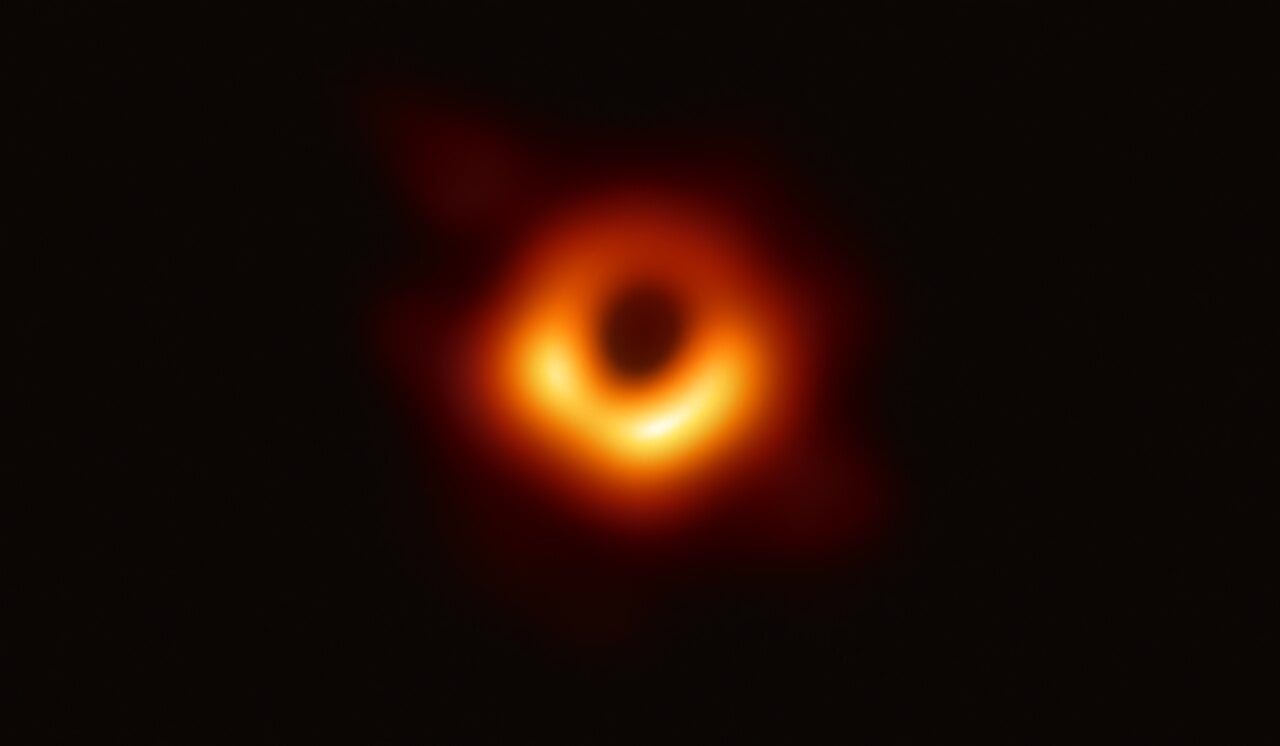
This article, the third in a series, explores the disorienting effects of traveling at speeds approaching the speed of light. It explains how constant acceleration creates a "horizon" due to motion alone, effectively isolating a portion of the universe permanently. The piece introduces Wolfgang Rindler, illustrating a thought experiment where a destination, like a coffee date, becomes unreachable despite the passage of time. It also touches upon the paradoxical nature of light, which can pursue an object indefinitely without ever closing the distance.
This segment delves into the relativistic effects of high-speed travel, focusing on the creation of event horizons not from gravitational forces, but from acceleration itself. The concept highlights how an observer's frame of reference dramatically alters their perception of spacetime. From a systems perspective, this illustrates a fundamental limit imposed by the laws of physics on information exchange and travel, suggesting that even with advanced propulsion, interstellar communication and exploration face inherent, motion-induced barriers. This has implications for future space exploration strategies, emphasizing the need to account for these perceptual and physical limitations when considering long-duration missions or attempts at rapid transit across vast cosmic distances.
AI-generated to prompt reflection — not editorial opinion, not advice, not a statement of fact. How this works.