Treadmill vs. Outdoor Running: Which is Better for Fitness?
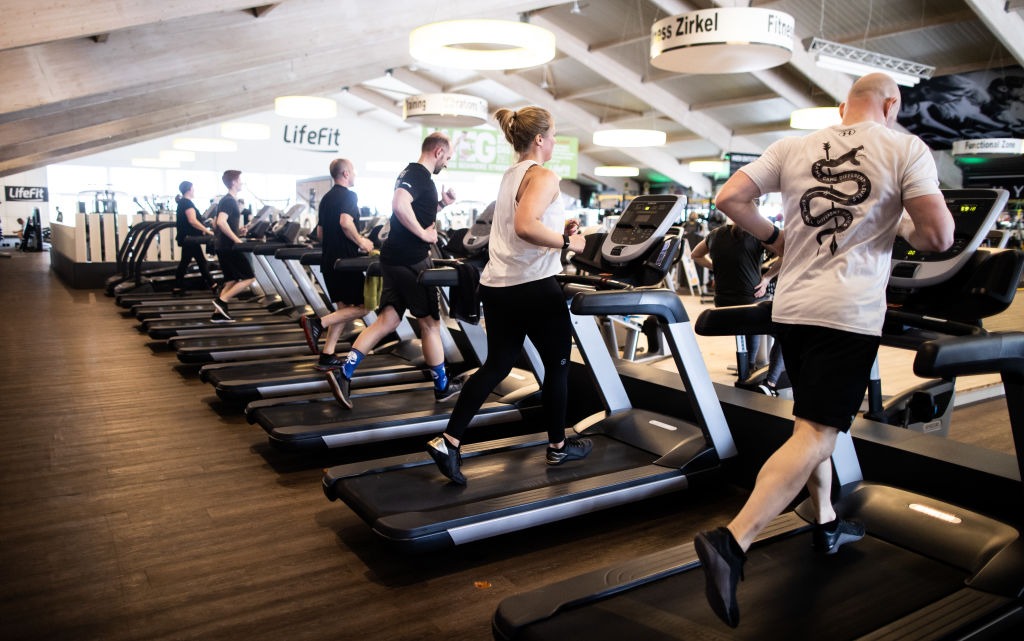
Running on a treadmill is physiologically less demanding than running outdoors. This difference is primarily due to the lack of natural resistance and varied terrain encountered when running outside. While treadmills offer a controlled environment, outdoor running engages more muscles and requires greater effort to overcome factors like wind resistance and uneven surfaces. Consequently, outdoor running may contribute more effectively to overall fitness gains. The controlled nature of a treadmill can make it feel easier, but this ease might translate to a less comprehensive workout compared to the challenges presented by natural environments. Therefore, for those seeking maximum fitness enhancement, the varied demands of outdoor running appear to offer a distinct advantage.
The physiological ease of treadmill running versus the greater demands of outdoor running highlights a trade-off between convenience and comprehensive fitness development. While treadmills offer controlled conditions, potentially beneficial for specific training goals or accessibility, they may not fully replicate the complex biomechanical and cardiovascular stimuli provided by natural terrain. Over the next decade, as wearable technology and personalized fitness platforms evolve, understanding these nuanced differences will become increasingly important for optimizing training regimens. Future advancements may bridge this gap, offering more dynamic treadmill experiences or providing data-driven insights to maximize the benefits of both running environments.
AI-generated to prompt reflection — not editorial opinion, not advice, not a statement of fact. How this works.