Trees continue carbon absorption post-growth, challenging scientific assumptions
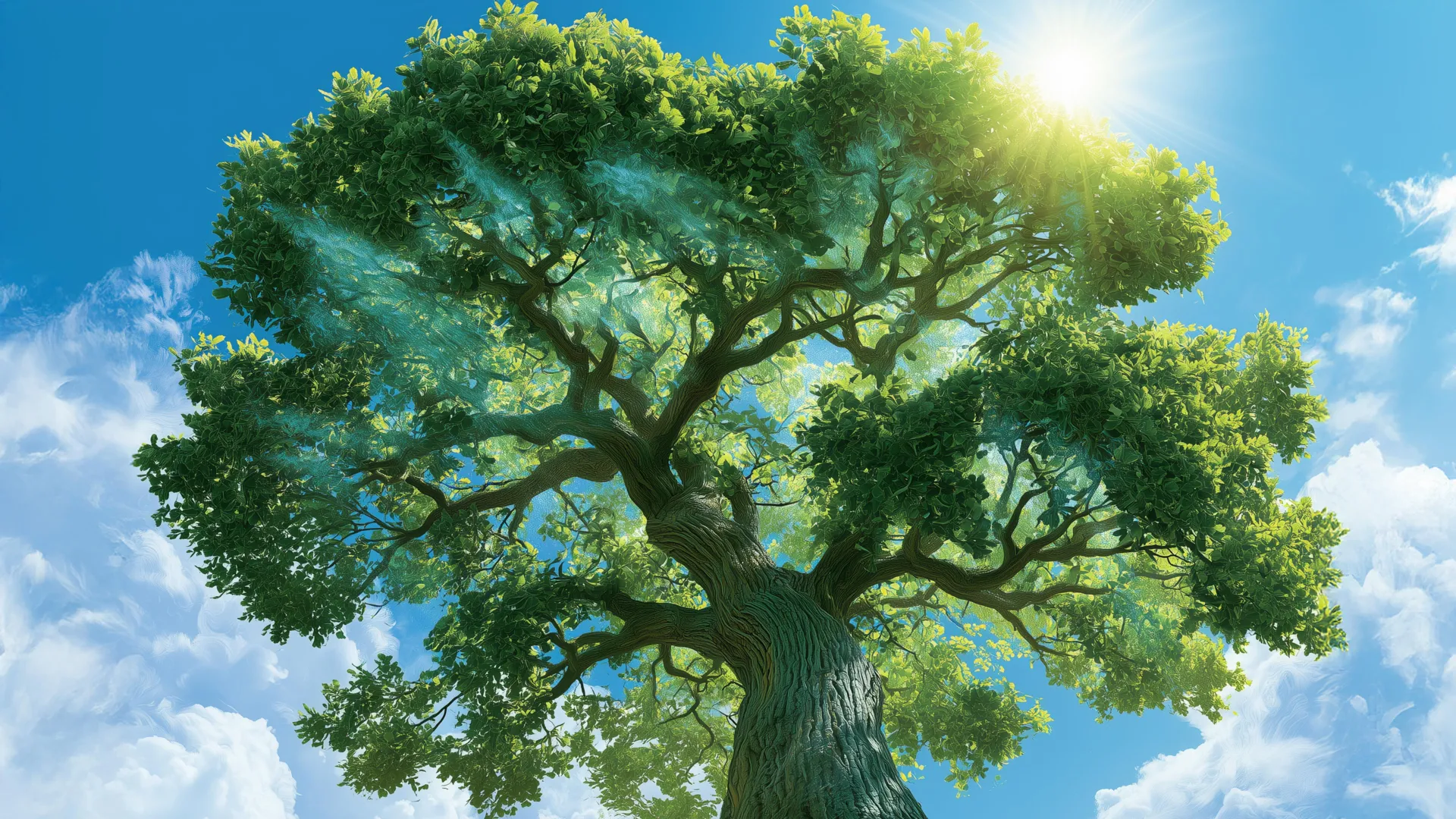
Oak trees have demonstrated the ability to absorb carbon dioxide even after their annual growth period has concluded. This discovery challenges the long-held scientific belief that photosynthesis and wood production are intrinsically linked and cease together. The findings suggest that trees may store more carbon over their lifespans than previously estimated.
This revelation has significant implications for climate modeling and future carbon sequestration projections. Understanding this extended carbon uptake mechanism could fundamentally alter how scientists forecast the capacity of forests to mitigate climate change, particularly in the context of a warming planet. Further research into this phenomenon is crucial for refining carbon cycle models and developing effective climate strategies.
This research revises our understanding of forest carbon dynamics, suggesting that trees may act as carbon sinks for longer durations than previously modeled. The decoupling of photosynthesis from active growth implies that established forests, even those not actively expanding in size, could continue to sequester significant atmospheric carbon. This finding necessitates a re-evaluation of climate models that rely on growth rates as the primary determinant of carbon storage. Future projections of forest carbon sequestration potential should incorporate this extended absorption phase to more accurately predict the role of terrestrial ecosystems in mitigating rising global temperatures over the next decade and beyond.
AI-generated to prompt reflection — not editorial opinion, not advice, not a statement of fact. How this works.