Trees struggle with drought, impacting urban cooling and air quality
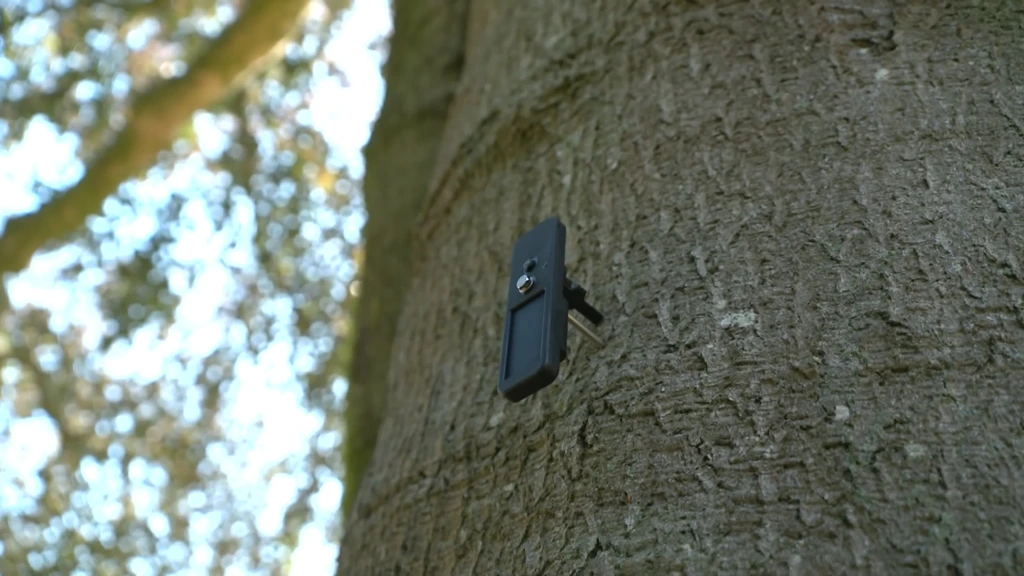
Persistent drought conditions are severely impacting trees, particularly Norway spruce and beech varieties, raising concerns about their ability to provide essential urban benefits like shade and clean air. Staatsbosbeheer reports that Norway spruce, frequently planted on higher sandy soils, is dying off. The combination of heat and drought reduces the tree's resin production, making it vulnerable to insect infestation. Beech trees are also suffering, prematurely shedding their leaves to conserve water, an effect that mimics early autumn and is expected to alter urban landscapes in the coming years. Marc Ravesloot of CSI Trees at Wageningen University & Research predicts that within fifty years, urban trees may not survive globally due to rising temperatures, increased soil salinity, and insufficient root space. Tree consultant Joost Verhagen is monitoring tree health using dendrometers, devices that measure nocturnal expansion caused by water uptake, effectively tracking a tree's 'heartbeat' to detect drought stress. He questions how to prevent tree loss and identify suitable species for the future. Verhagen advises that overwatering can be more detrimental than underwatering. In 2021, Cecil Konijnendijk of Natured Bases Solutions Institute proposed the 3-30-300 rule, advocating for visible trees from homes, 30% canopy cover in neighborhoods, and accessible green spaces within 300 meters, a standard now adopted by many municipalities. This trend benefits tree nurseries like Udenhout, which cultivates climate-resilient species such as acacias and honey locusts, ideal for urban environments. The nursery notes a shift towards planting diverse tree species to mitigate risks from extreme weather. The Dutch climate agreement mandates a 10% increase in forest cover by 2030, requiring the planting of 20 million trees annually.
The increasing stress on urban trees due to climate change, including drought and heat, highlights a critical vulnerability in maintaining essential ecosystem services. The projected decline of trees in urban environments within fifty years, as suggested by research, necessitates a proactive shift in urban planning and arboriculture. Current strategies, such as planting climate-resilient species and diversifying tree populations, are crucial but may need to be augmented by innovative water management and soil enrichment techniques. The 3-30-300 rule provides a valuable framework for green space provision, yet its success hinges on the long-term viability of the trees themselves. Future urban development must integrate ecological resilience as a core principle, moving beyond aesthetic considerations to ensure that urban flora can adapt to and mitigate the escalating impacts of climate change, thereby securing the well-being of city dwellers for decades to come.
AI-generated to prompt reflection — not editorial opinion, not advice, not a statement of fact. How this works.