Trekking the Himalayas: History, Culture, and Challenges Near Kanchenjunga
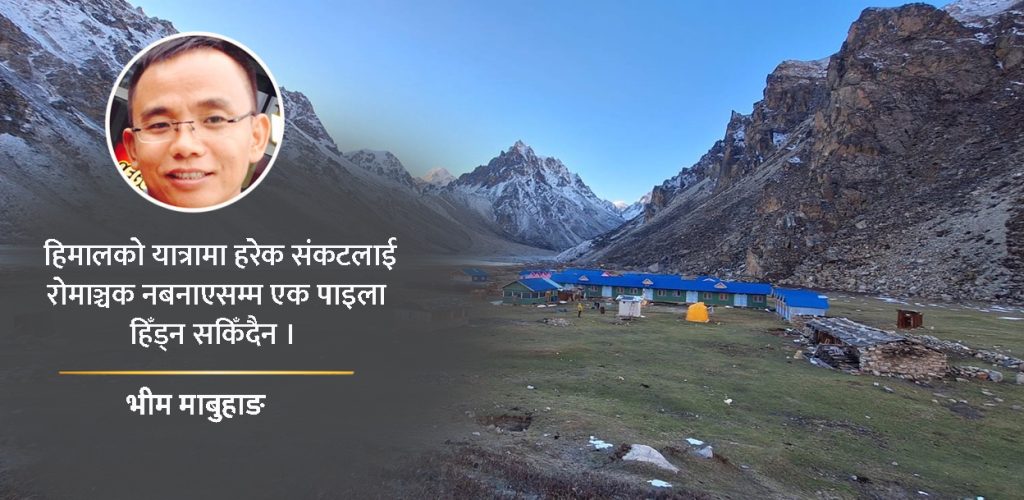
A trekker encountered a unique sight where red rhododendrons bloomed on one side of a river and white rhododendrons on the other. As the altitude increased, the light rain began to turn into snow. This journey takes place in the foothills of Kanchenjunga, the world's third-highest mountain. The region is rich in history and cultural heritage, offering trekkers a glimpse into the local way of life. However, the path also presents significant challenges, including unpredictable weather patterns and steep terrain. The changing precipitation from rain to snow highlights the dynamic and often harsh environmental conditions faced by those venturing into these high-altitude areas. The experience blends natural beauty with the inherent difficulties of Himalayan exploration.
This narrative captures the stark beauty and inherent risks of high-altitude trekking. The transition from blooming rhododendrons to snowfall illustrates the rapid environmental shifts common in mountainous regions, underscoring the importance of robust preparedness for such expeditions. Such journeys, while offering cultural immersion and historical context, also highlight the increasing pressure on fragile ecosystems due to tourism. Future planning for these areas must balance economic benefits with environmental sustainability and the safety of trekkers, considering the long-term impacts of climate change on weather patterns and accessibility.
AI-generated to prompt reflection — not editorial opinion, not advice, not a statement of fact. How this works.