Tributes Pour In for 25-Year-Old Pilot Killed in Mogi Mirim Plane Crash
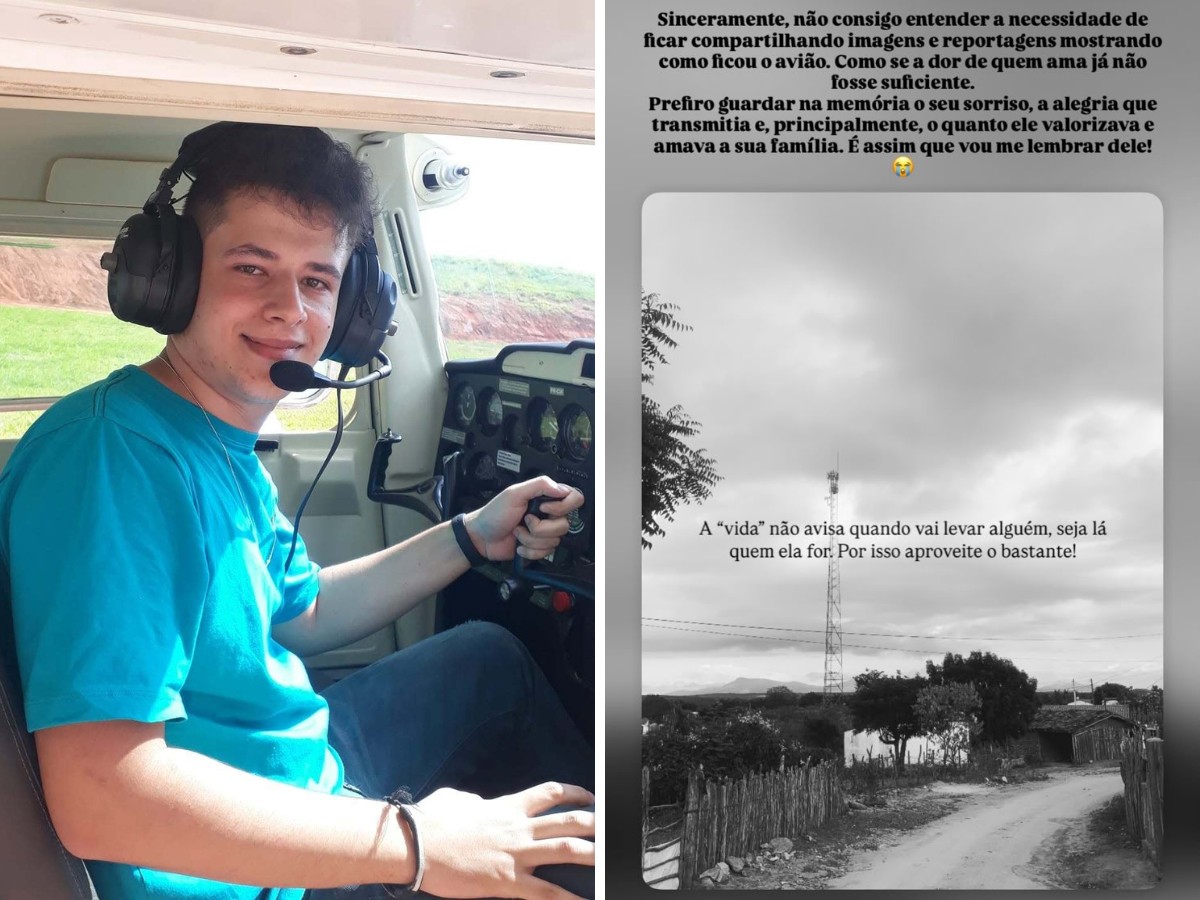
Friends and colleagues are mourning the loss of 25-year-old pilot Leonardo Bezerra Pinheiro, who died on Wednesday afternoon, July 29th, when the small aircraft he was piloting crashed in Mogi Mirim, São Paulo state. Described as a beloved and kind individual, Leonardo was remembered by former classmates for his popularity and positive demeanor, with one friend stating he was "loved by everyone" and never heard anyone speak ill of him. A close friend also highlighted his deep affection for his family, choosing to remember his smile and the joy he radiated. Leonardo, a resident of Itapira, had been working as a security manager at the Sport Pilot aviation school for two years, and was widely known as a "good boy from a good family."
The aircraft, a two-seater Conquest model with the prefix PU-DON, crashed around 4:30 PM on Rodovia Luiz Gonzaga de Amoedo Campos in a rural area of Mogi Mirim. The plane caught fire upon impact, and the pilot tragically died from his injuries. Gerson Martinez, owner of the Sport Pilot school, stated that Leonardo had added slightly more fuel than necessary for the planned local flight. Martinez speculated this might have been a precaution against potential bad weather, allowing for a go-around or diversion to another airport. The Regional Aeronautical Investigation and Prevention Service (Seripa) is currently investigating the accident site, which was located in the rural zone of Mogi Mirim on the morning of July 30th. The aircraft itself was an experimental model manufactured in 2004.
This tragic event underscores the inherent risks associated with general aviation, particularly concerning experimental aircraft and the potential impact of weather conditions. The decision to add extra fuel, while seemingly a safety measure, raises questions about the pilot's situational awareness and decision-making processes leading up to the flight. Investigations into the exact cause, including potential mechanical failures or environmental factors like the reported 60 km/h wind gusts, are crucial. Moving forward, aviation safety protocols, especially for smaller schools and experimental aircraft, should be rigorously reviewed to mitigate such risks. Enhanced pilot training focusing on adverse weather recognition and emergency procedures, alongside stricter maintenance and inspection standards for older or experimental planes, could prevent future accidents and ensure the well-being of pilots and the public.
AI-generated to prompt reflection — not editorial opinion, not advice, not a statement of fact. How this works.