Truck driver detained after spilling chemicals during dispute in São Paulo
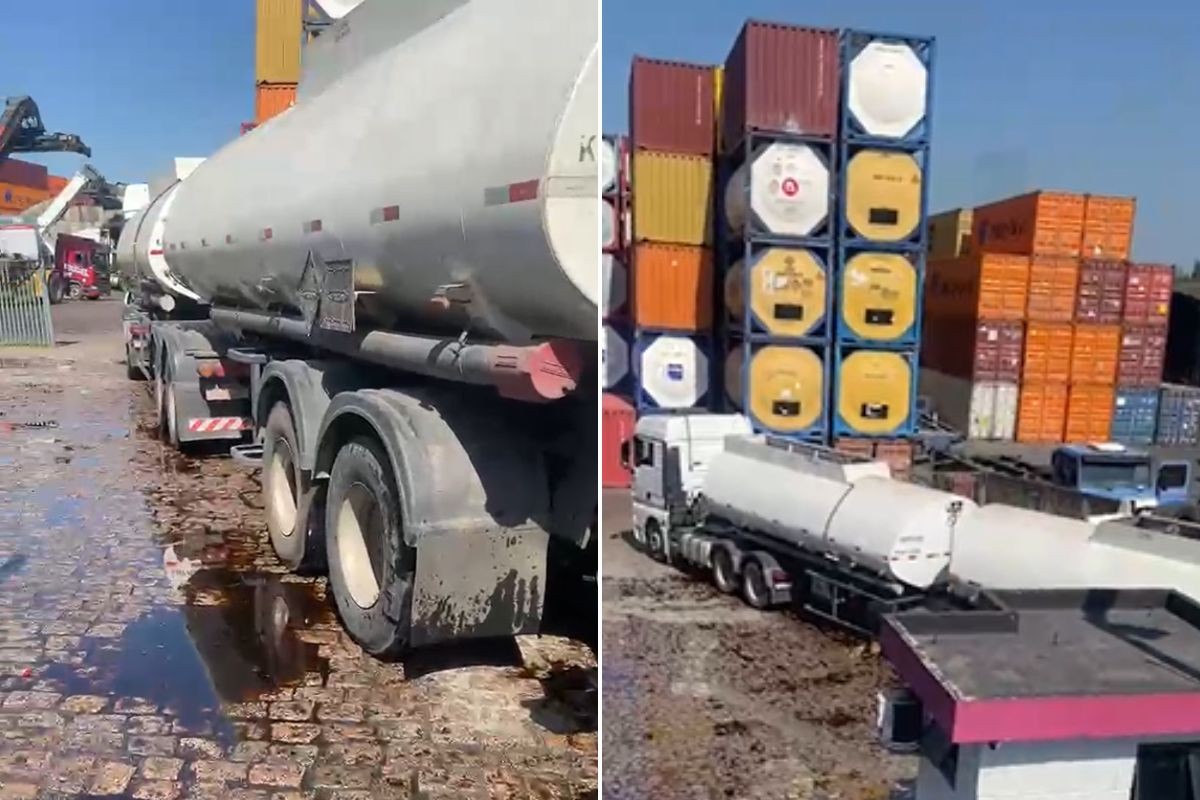
A truck driver spilled a liquid chemical he was transporting in Santos, on the coast of São Paulo, on Saturday, June 1st. The incident occurred during a dispute within the premises of a road freight transport company located on Via Anchieta. Military Police were called to the scene, and the cause of the disagreement is currently under investigation. The São Paulo State Environmental Company (Cetesb) identified the substance as liquid glycerin, stating it poses no risk to people or the environment, according to the state's Civil Defense. The Municipality of Santos declared the dumping of the material a environmental crime and ordered the company to immediately clean the site. The driver was taken to a police station, though his current status was not immediately available. The exact quantity of discarded product and the fine amount will be determined starting Monday, June 3rd. The Fire Department confirmed that glycerin is not classified as a dangerous product for road transport by the National Land Transport Agency (ANTT). Professionals from the specialized company Ambipar were responsible for the safe removal of the spilled material. The transport company, Line Transportes Serv Embalagens, did not respond to requests for comment.
This incident highlights the critical importance of robust dispute resolution mechanisms within logistics companies to prevent volatile situations. The accidental or intentional release of chemicals, even those deemed non-hazardous, can trigger significant environmental and legal repercussions. The response by Cetesb and Civil Defense underscores the regulatory framework in place to manage such events. Moving forward, companies in the transport sector should consider implementing enhanced safety protocols and employee training focused on de-escalation and proper material handling, particularly when dealing with bulk liquids. The potential for environmental damage and associated fines emphasizes the need for proactive risk management and corporate responsibility in supply chain operations.
AI-generated to prompt reflection — not editorial opinion, not advice, not a statement of fact. How this works.