Truck Falls From Ferry Into Tocantins River, No Injuries Reported
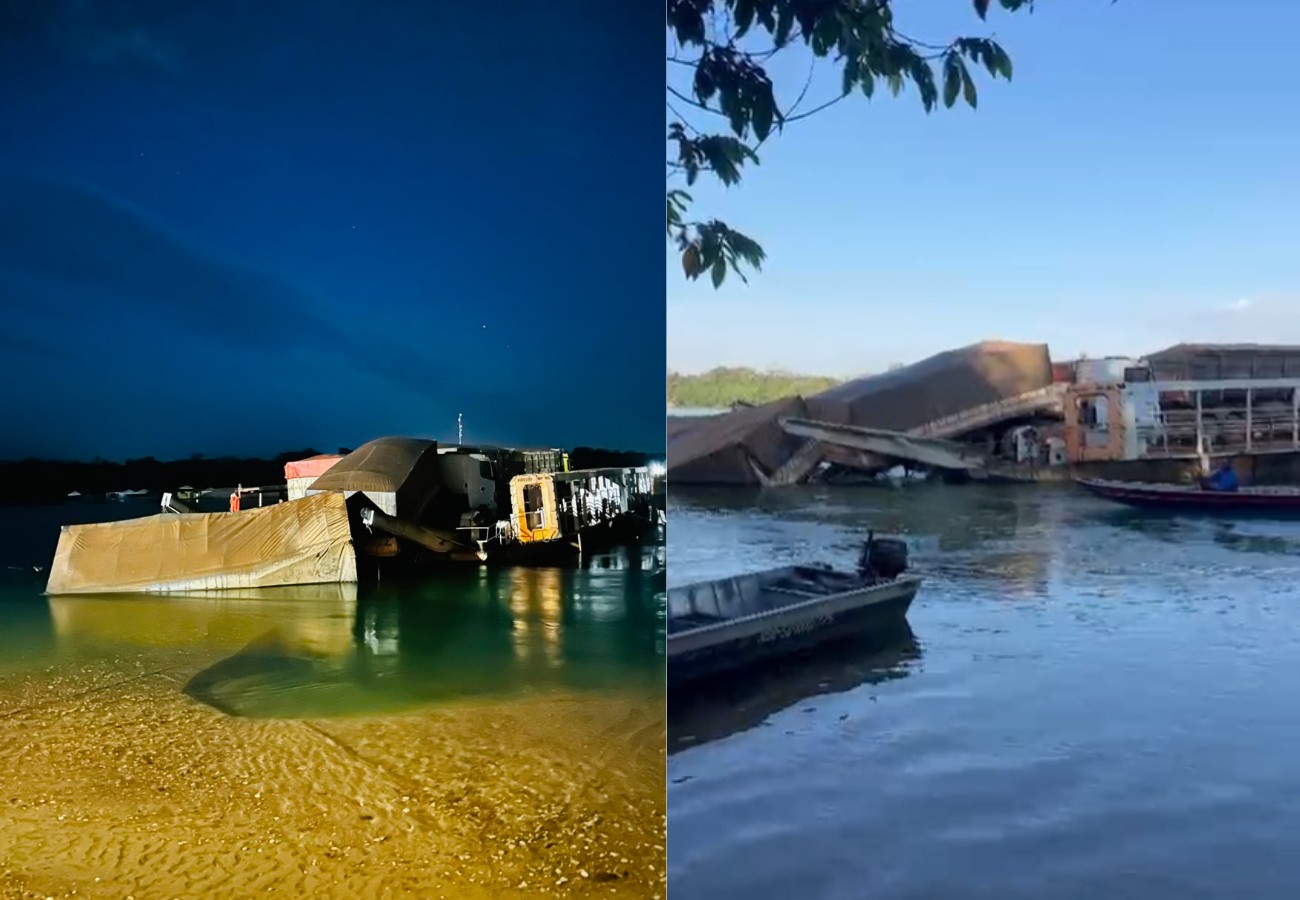
A truck fell into the Tocantins River in Pedro Afonso, Brazil, on Monday night (13th) after descending the ramp of a ferry crossing between Pedro Afonso and Tupirama. Video footage captured by residents shows the vehicle partially submerged, with one section on the ferry and the other in the water. Fortunately, no injuries were reported in the incident. The ferry operator, Pipes, stated that the accident was caused by the driver's failure to engage the parking brake. The administrative manager for the group, Túlio Moura, explained that as the ferry moved, the truck rolled backward. The driver, who was outside the vehicle, was unable to re-enter, and the last part of the trailer broke through the loading ramp and fell into the river. As of the latest update, the truck's trailer remained in the river. A crane was dispatched to remove the submerged structure, and maintenance teams were working to repair the ferry, with operations expected to resume by the end of the day. Traffic in the area is currently reliant on ferries due to the closure of the BR-235 bridge between Pedro Afonso and Tupirama, a precautionary measure taken by the National Department of Transport Infrastructure (DNIT) after identifying structural issues. The municipality of Pedro Afonso has declared a state of emergency due to the significant logistical, economic, administrative, and social impacts caused by the bridge's closure.
This incident highlights the critical importance of operational protocols and driver diligence in transportation logistics, particularly when utilizing temporary infrastructure like ferries. The failure to secure a heavy vehicle on a ferry ramp, leading to its submersion, underscores systemic risks inherent in such operations. The subsequent closure of a vital bridge, necessitating reliance on ferry services, amplifies the fragility of regional connectivity and the cascading economic and social consequences of infrastructure failures. Future considerations should include enhanced safety checks for ferry operations and robust contingency planning for transportation disruptions to mitigate the impact of unforeseen events on local communities and economies.
AI-generated to prompt reflection — not editorial opinion, not advice, not a statement of fact. How this works.