Trucker Claims He Attacked Police During Protest Mistaking Them for Rival Strikers
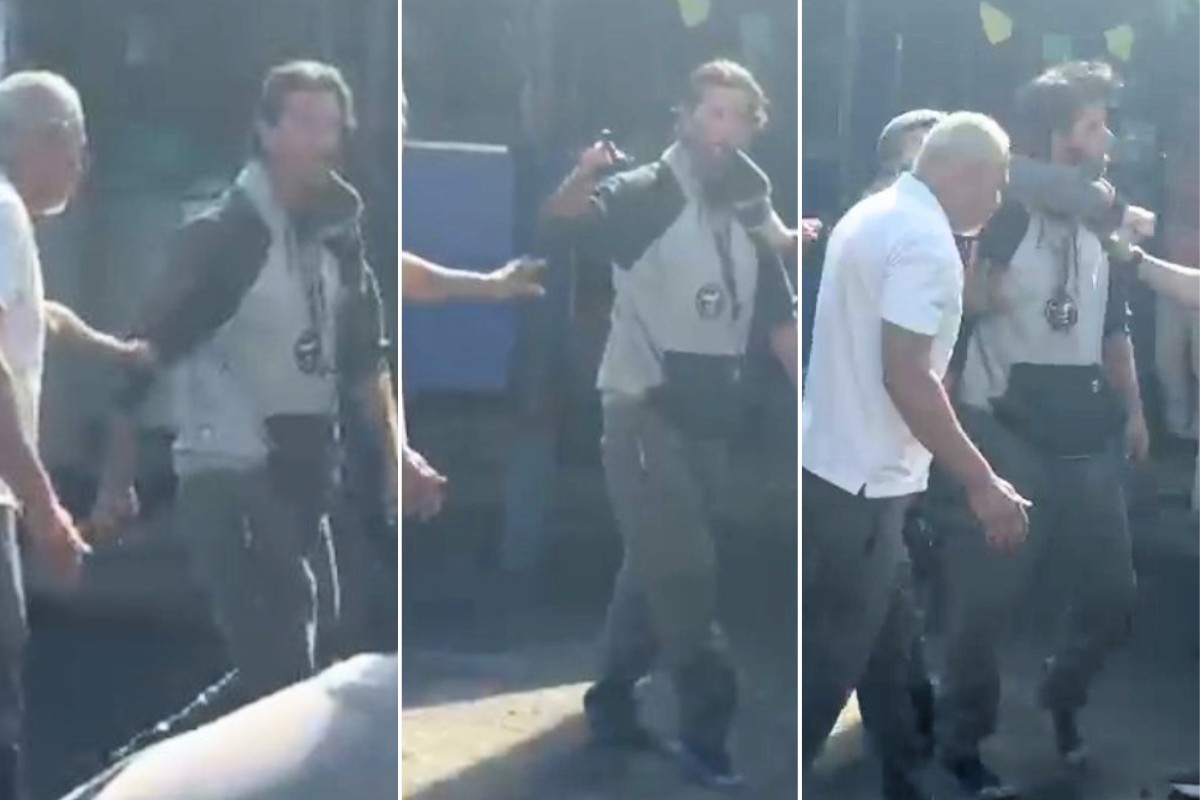
A 46-year-old truck driver, who was struck by a police officer during protests concerning Provisional Measure (MP) 1.343, also known as the Freight MP, claims he mistook the officers for other protesters. According to his defense, represented by lawyer Júnior Dantas, the driver reacted defensively to protect himself and ceased his actions upon realizing they were police. The incident occurred after another driver reportedly drove through the strike line at the Port of Santos, inciting anger among the striking truckers. The defense stated that a commotion ensued when this driver allegedly drove his vehicle at the demonstrators, including the now-injured truck driver.
The defense further explained that police arrived and allegedly exceeded their authority in separating the individuals, with one officer striking the truck driver from behind. Disoriented, the driver defended himself, believing his assailants were rival drivers waiting to enter the port. He reportedly stopped resisting once he recognized they were police officers. The defense alleges that multiple officers then surrounded and assaulted him with batons, punches, and tear gas, leaving him significantly injured. The truck driver was detained for approximately four hours at the 5th Police District pending the involved officers' statements.
The Military Police, however, stated that the manifestant seen in the footage threw a stone at the vehicle, prompting police intervention which led to the physical altercation. The Civil Police are investigating the case. The São Paulo State Public Security Secretariat confirmed that the Military Police are reviewing the circumstances of the approach and analyzing footage from the officers' body cameras. The Freight MP aims to regulate minimum freight rates and increase penalties for non-compliance. The strike in the Baixada Santista region was in its second day, coinciding with a national movement. The Senate has since approved the MP, sending it for presidential sanction or veto.
This incident highlights the volatile dynamics that can emerge during labor disputes, particularly when law enforcement intervention occurs amidst confusion and heightened emotions. The narrative presented by the defense suggests a breakdown in de-escalation protocols, where officers' actions, perceived as aggressive by the driver, triggered a defensive response under the mistaken belief of facing rival strikers. This underscores the critical need for clear identification and communication by authorities during protests to prevent misidentification and unnecessary escalation. The subsequent investigation by the Civil Police and review of body camera footage will be crucial in determining the adherence to standard operating procedures and identifying any potential misconduct. Future policy considerations might include enhanced training for officers on crowd management and de-escalation tactics in complex protest environments, aiming to foster a more controlled and less confrontational resolution of such events.
AI-generated to prompt reflection — not editorial opinion, not advice, not a statement of fact. How this works.