Trucker's Murderer Confesses During Trial, Reveals Body's Hiding Place in Brazil
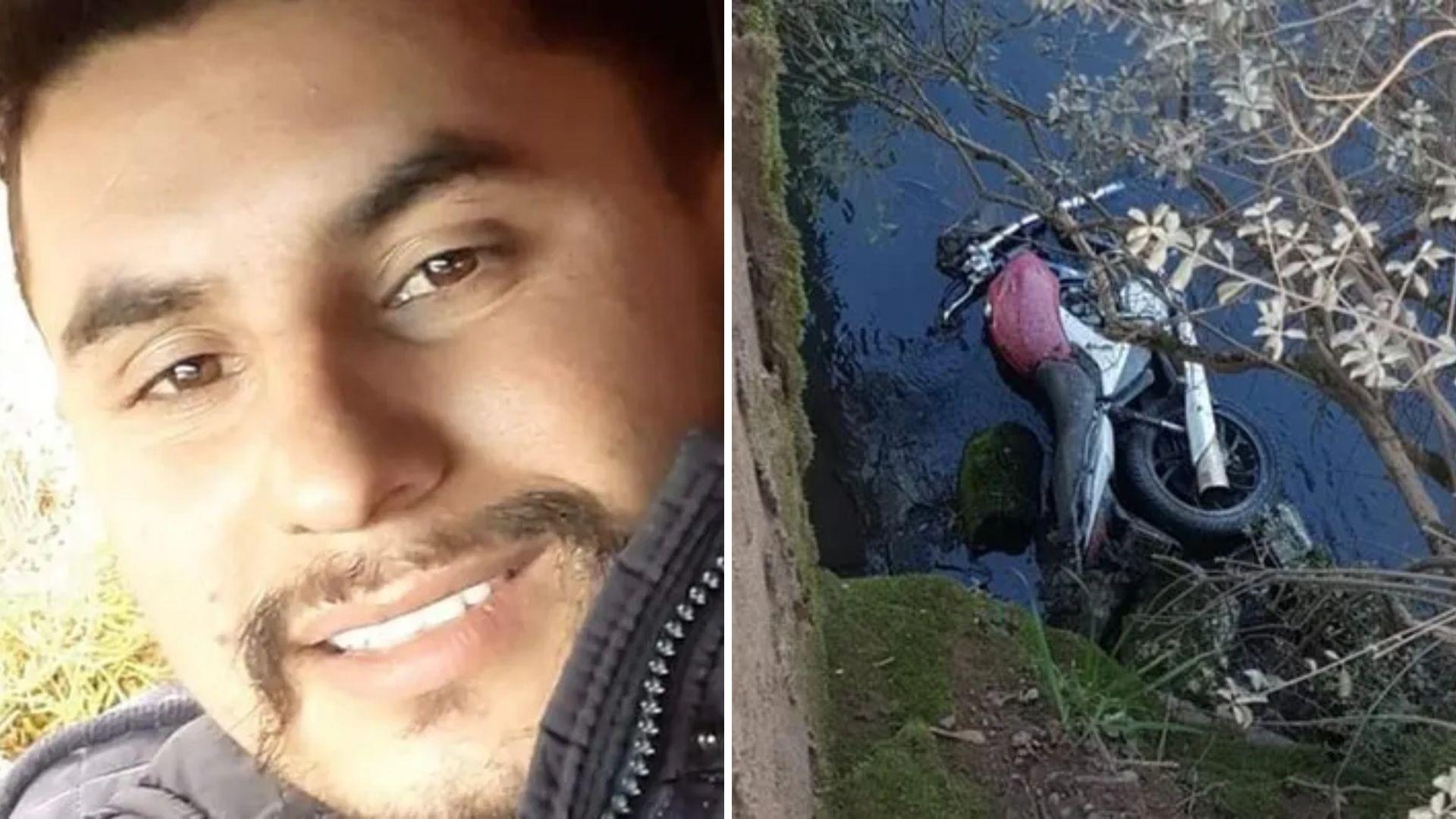
During the trial of four individuals accused in the disappearance of 27-year-old trucker Luciano Boeira Melos, one defendant confessed to the murder. Felipe Silveira Noronha admitted on Monday, November 28th, in Bom Jesus, Rio Grande do Sul, that he shot Melos with a rifle after discovering the victim was having an affair with his wife, Fabiana Silveira Noronha. Felipe claimed he acted alone, using his own weapon, and stated the other three defendants were not involved in the killing. He did admit that his brother, Flávio Silveira Noronha, helped move the victim's motorcycle away from the crime scene. Fabiana and Flávio's testimonies corroborated Felipe's account, attributing the murder solely to him. The fourth defendant, Fabiana's father José Balduíno Saraiva, exercised his right to remain silent. All four are facing charges including double-qualified homicide, concealment of a corpse, and procedural fraud, and are currently out on bail. Police began searching the area indicated by Felipe on Tuesday, November 29th, where a bone was found, which forensics will now examine to determine if it belongs to Luciano. The investigation is proceeding concurrently with the second day of the trial. Luciano disappeared on the night of July 26, 2023, after leaving to meet Fabiana at a rural property. He sent an audio message to his brother stating where he was going, which was his last contact with family. His motorcycle was found submerged in a river about 30 kilometers from the meeting location on July 31, 2023. The prosecution alleges the group lured Luciano and disposed of his motorcycle elsewhere to cover up the murder.
This case highlights the complexities of domestic disputes escalating to extreme violence, exacerbated by potential attempts to obstruct justice. The confession and subsequent search for the victim's remains during the ongoing trial suggest a shift in the legal proceedings, moving towards accountability for the alleged perpetrator. The differing levels of involvement admitted by the defendants, from direct perpetration to aiding in concealment, present distinct challenges for the prosecution and the court in determining appropriate sentencing and culpability. Future legal processes will need to carefully weigh the confessed actions against the alleged conspiracy and evidence of body concealment, considering the established legal frameworks for homicide and obstruction of justice.
AI-generated to prompt reflection — not editorial opinion, not advice, not a statement of fact. How this works.