Trucker Strike Causes Highway Congestion in São Paulo's Coastal Region
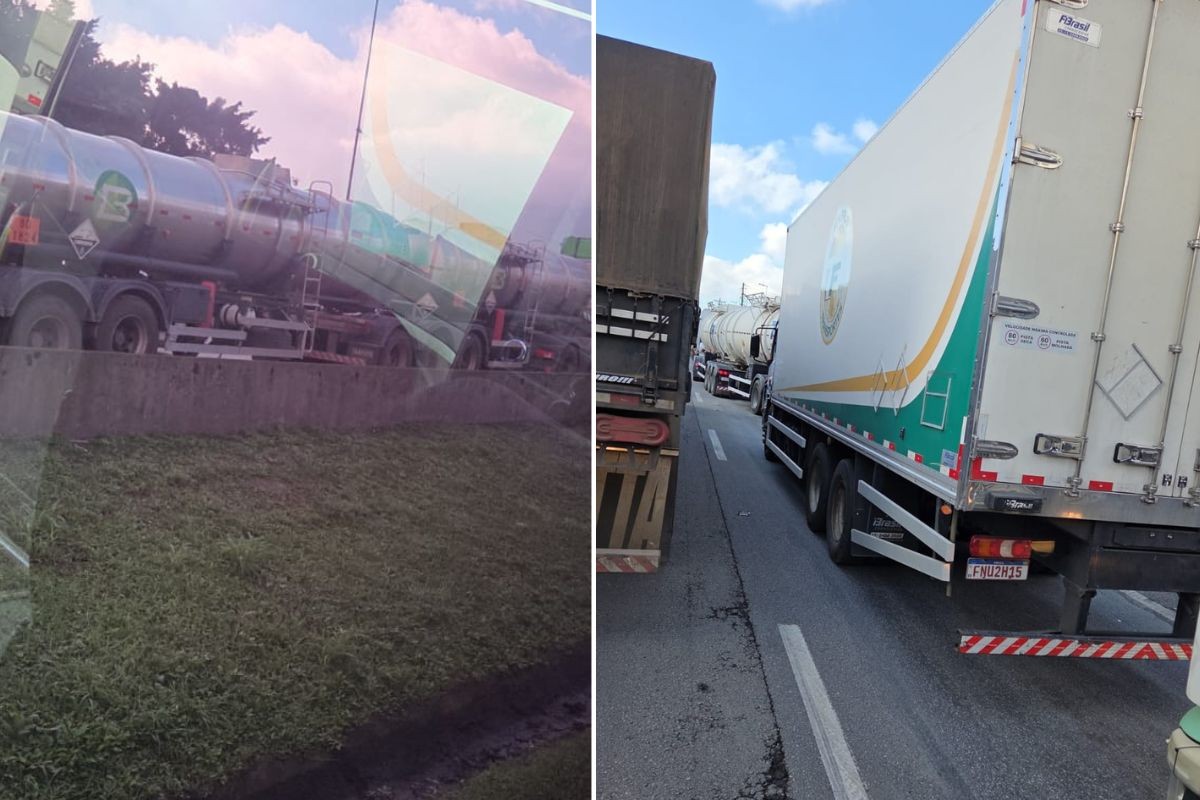
A trucker strike, now in its second day, has led to significant traffic congestion on highways along the coast of São Paulo, Brazil. Trucks attempting to access regulatory yards in the Baixada Santista region are causing severe slowdowns on the Anchieta-Imigrantes System (SAI), specifically on the Anchieta and Cônego Domênico Rangoni highways, as well as the Planalto Interconnection. While the exact relationship is unconfirmed, the congestion coincides with autonomous truckers protesting to pressure the Senate into voting on Provisional Measure (MP) 1343, known as the "MP do Frete" (Freight Bill). This measure, already approved by the Chamber of Deputies, modifies minimum freight rates and introduces benefits, but it risks losing validity if not voted on by the Senate before July 16. The strike, initiated on Monday, July 13, in Santos, has seen over 4,000 autonomous truckers join, according to Sindicam-Santos president Luciano Santos de Carvalho. Protests are reportedly occurring in Guarujá and near the Port of Santos. Despite the traffic issues, no blockades by truckers have been confirmed on the highways. One of the affected facilities, Ecopatio, reports operating at 60% capacity with no queues at its entrance gates and is coordinating with port authorities and police to manage the logistical flow. Public transportation is also impacted, with several bus lines experiencing temporary detours. The broader national strike aims to pressure Senate President Davi Alcolumbre to bring the MP to a vote.
The trucker strike highlights a critical juncture in Brazil's freight transportation policy, particularly concerning the "MP do Frete." The core tension lies between the truckers' demand for guaranteed minimum freight rates and the potential economic implications for the broader supply chain and consumers. The impending expiration of the Provisional Measure creates a sense of urgency, potentially escalating the conflict. This situation underscores the systemic challenge of balancing the economic stability of independent operators with the efficiency and cost-effectiveness of national logistics. Future policy debates will likely need to address sustainable pricing mechanisms, the role of regulatory bodies, and the long-term impact of such measures on market dynamics, especially as autonomous driving technologies begin to reshape the transportation sector.
AI-generated to prompt reflection — not editorial opinion, not advice, not a statement of fact. How this works.