Truckers End Santos Port Strike After Approval of Freight Minimum Wage Bill
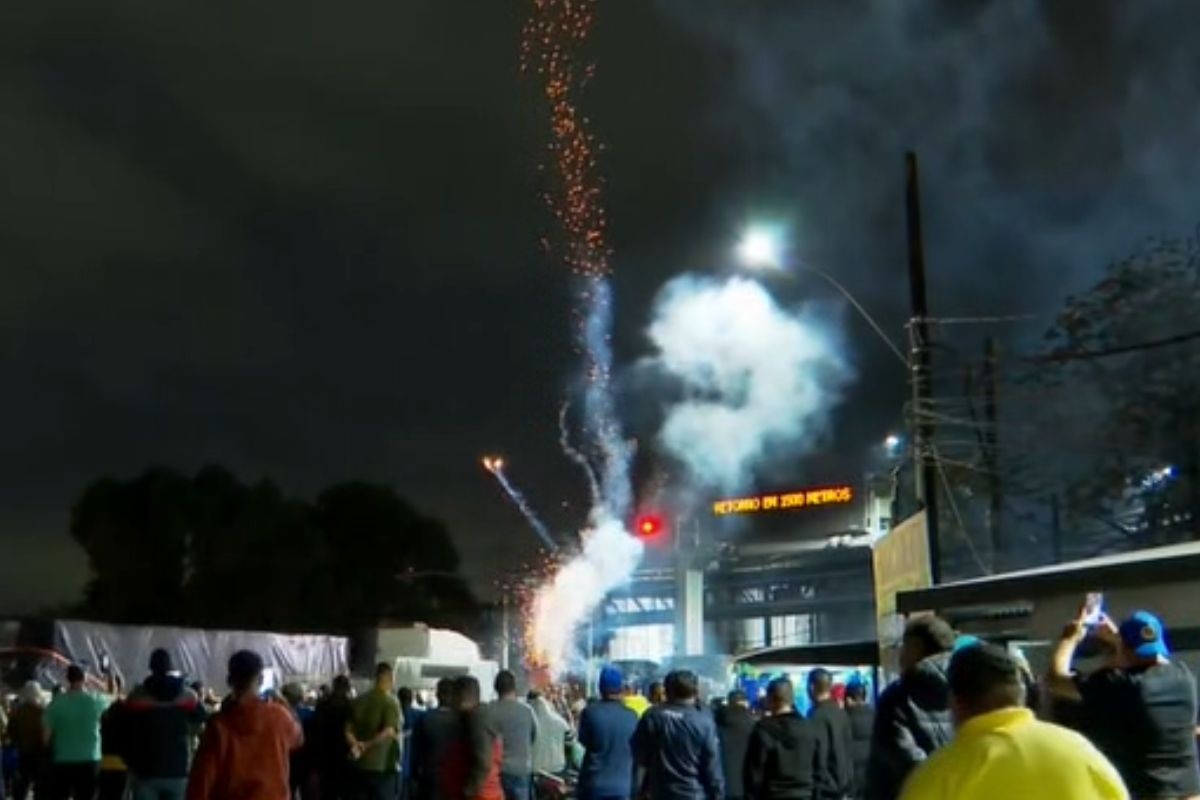
Autonomous truck drivers in Baixada Santista, São Paulo, have ended their strike at the Port of Santos following the Federal Senate's approval of Provisional Measure (MP) 1.343, commonly known as the "MP do Frete" or Freight Minimum Wage Bill. This measure modifies the regulations for the minimum freight rates in road transport. The bill now proceeds to President Luiz Inácio Lula da Silva (PT) for his sanction. The strike, organized by the Union of Autonomous Road Transporters of Goods of Baixada Santista and Vale do Ribeira (Sindicam-Santos), aimed to pressure the Senate into voting on the measure, which had been approved by the Chamber of Deputies and was set to expire on Thursday, May 16th. Union president Luciano Santos de Carvalho expressed gratitude to all category representatives and supporting associations, stating that the approved measure would ensure fair freight rates across Brazil. The strike officially concluded around 6:30 PM, allowing operations to resume. The protest began on Monday, May 13th, with an initial blockade on the Alemoa viaduct. While the Port Authority of Santos (APS) reported the blockade was partial and short-lived, it caused traffic congestion and delays on the Anchieta-Imigrantes highway system. During one protest incident, a confrontation occurred when a truck driver allegedly threw a stone at a moving truck, leading to a police intervention where an officer struck the driver. The Public Security Secretariat of São Paulo (SSP-SP) is investigating the incident, noting that the detained individual resisted arrest. The approved MP alters freight minimum wage rules but excludes a proposed national monthly minimum of R$5,000 for long-distance truckers, deemed unconstitutional by the Senate. However, the principle of a minimum freight rate remains, with the National Land Transport Agency (ANTT) continuing to calculate rates based on distance, truck axles, and cargo type. The MP also includes an amnesty for fines imposed on truckers during 2022 protests, though President Lula intends to veto this specific provision.
The resolution of the truck drivers' strike at the Port of Santos highlights the complex interplay between labor mobilization, legislative processes, and economic regulation in Brazil's logistics sector. The "MP do Frete" represents an attempt to stabilize income for independent truckers by establishing minimum freight rates, a response to historical volatility and perceived unfair pricing practices. However, the exclusion of a fixed monthly salary by the Senate, citing constitutional concerns, indicates a tension between legislative efforts to guarantee income and adherence to market principles. The incident involving police force during the protest underscores the challenges of managing public demonstrations and maintaining order while addressing legitimate grievances. Moving forward, the effectiveness of the ANTT's rate calculation methodology and the government's commitment to enforcing fair payment practices will be crucial in determining the long-term stability of the road freight market and preventing future disruptions. The potential presidential veto on the protest amnesty clause also introduces further uncertainty into the legislative landscape.
AI-generated to prompt reflection — not editorial opinion, not advice, not a statement of fact. How this works.