Trucks Continue to Use Unsafe Merwede Bridge Despite Ban
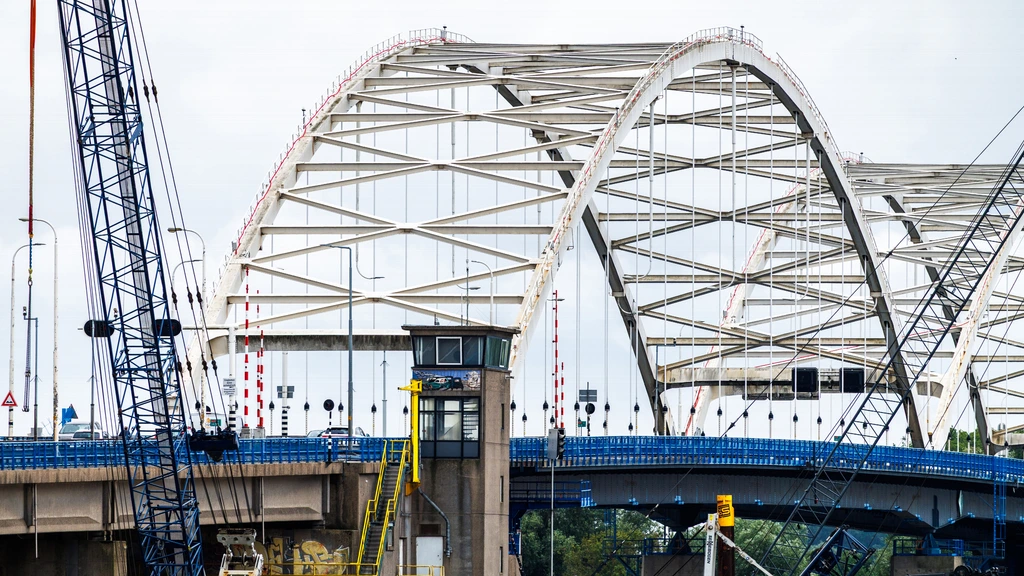
Despite being closed indefinitely to all freight traffic since Saturday, numerous trucks are still crossing the Merwede Bridge. A reporter observed dozens of trucks, including those with Dutch license plates, traversing the bridge within a half-hour period. Rijkswaterstaat, the Dutch Directorate-General for Public Works and Water Management, has also noted this ongoing truck traffic on the A27 motorway and is investigating enforcement options, though acknowledging this cannot be implemented immediately. Rijkswaterstaat does not currently anticipate closing the bridge to all traffic, pending further structural assessment. However, their decision is contingent on the cessation of freight vehicle usage. The bridge was closed to trucks due to weakened steel discovered during an inspection, which compromised its safety. The risk of deformation in the steel arch plates from heavy traffic could impact the bridge's overall structure, necessitating its replacement. Passenger cars, motorcycles, delivery vans, scheduled buses, and emergency services are still permitted to use the bridge. Freight traffic is being rerouted via the A16 and A2 motorways, with hazardous material transport directed solely via the A2.
The continued use of the Merwede Bridge by freight vehicles, despite a safety ban, highlights a critical enforcement gap and potential systemic issues in managing critical infrastructure. While Rijkswaterstaat is exploring enforcement, the delay in immediate action and the reliance on freight traffic voluntarily ceasing usage suggest a reactive rather than proactive approach to safety. This situation underscores the challenge of balancing immediate mobility needs with long-term structural integrity, especially as the bridge is slated for replacement. Future infrastructure management strategies may need to incorporate more robust immediate response mechanisms and clearer communication protocols to ensure compliance with safety directives, particularly in light of increasing traffic volumes and the evolving demands on aging infrastructure in the coming decade.
AI-generated to prompt reflection — not editorial opinion, not advice, not a statement of fact. How this works.