True-crime sleuth befriended murder suspect in 'reckless' cold case investigation
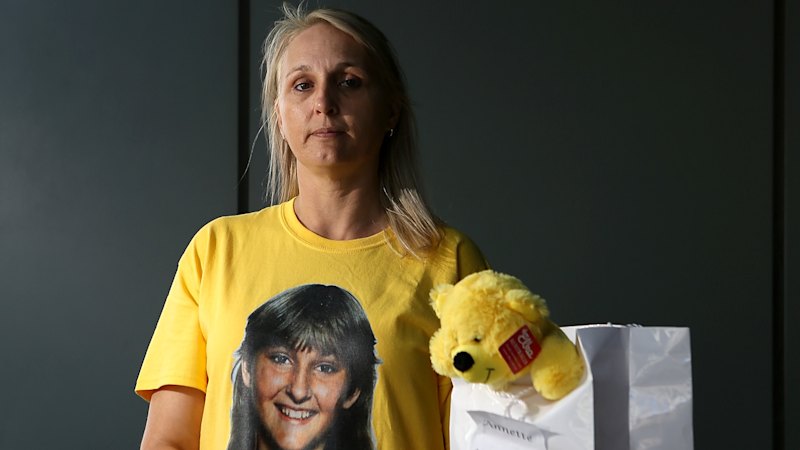
A true-crime enthusiast formed a friendship with a suspect in the 1989 murder of 15-year-old Annette Mason. The woman testified at an inquest that she initiated the relationship in a bid to solve the cold case herself. She acknowledged this approach was "reckless" and that she risked her own life by taking the investigation "into my own hands." The inquest is examining the circumstances surrounding Annette Mason's death and the subsequent investigation. The sleuth's actions highlight the lengths some individuals will go to in pursuit of justice for unsolved crimes. Her testimony raises questions about the ethics and safety of amateur involvement in sensitive criminal investigations.
The actions of the amateur sleuth, while potentially driven by a desire for justice, illustrate a significant ethical and safety dilemma. Engaging directly with a murder suspect, even with the intent to gather information, carries inherent risks and could potentially compromise official investigations. This situation underscores the importance of established legal protocols and professional investigative standards, which are designed to manage evidence, protect witnesses, and ensure due process. While public interest in cold cases is high, the pursuit of resolution must be balanced against the potential for unintended consequences, such as jeopardizing ongoing inquiries or personal safety. Future approaches to cold case resolution may benefit from exploring structured collaborations between amateur enthusiasts and law enforcement, ensuring that all activities align with legal frameworks and prioritize safety and investigative integrity.
AI-generated to prompt reflection — not editorial opinion, not advice, not a statement of fact. How this works.