Trump Abandons Hormuz Fee Plan for Gulf Investment Deals Amid Escalating Iran Conflict
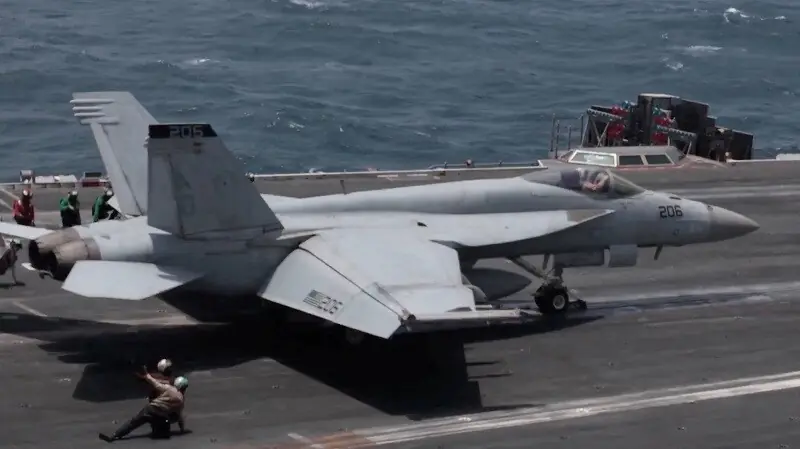
US President Donald Trump has rescinded a proposed 20% transit fee for the Strait of Hormuz, opting instead to pursue trade and investment deals with Gulf states. This decision came after waves of US attacks on Iran for the third consecutive night, initiated following Iran's announcement of closing the strait. Trump had previously reinstated a blockade on Iranian shipping and proposed the fee, but declared the strait open to all except Iranian traffic shortly before the fee was to take effect. He stated that "highly productive conversations with Middle East leadership" led to this shift, emphasizing that the new deals would be "extraordinarily good" for the Gulf states and their future. Iran reported being hit by US projectiles on Qeshm and Kish Islands, with further explosions heard in Andimeshk. In retaliation, Iran reportedly attacked a US Army base in Jordan, while Bahrain intercepted an Iranian aerial attack. Jordan confirmed shooting down four ballistic missiles, and sirens sounded in Kuwait as its forces engaged "hostile" aerial targets. These escalating attacks have fueled concerns about global energy supplies and potential inflation, casting doubt on a recent memorandum of understanding aimed at a permanent halt to the conflict. The UN shipping agency and German shipping company Hapag-Lloyd had opposed the Hormuz fee, citing legal and practical objections. Oil prices rose approximately 2% following the US blockade and renewed hostilities. Analysts suggest the current hostilities remain contained but carry a risk of escalation, with both sides potentially seeking leverage for a peace deal. The conflict has become increasingly unpopular in the US, with rising gasoline prices and upcoming congressional elections.
The fluctuating US policy regarding the Strait of Hormuz, shifting from a proposed transit fee to investment deals, reflects a complex interplay of geopolitical objectives, economic considerations, and domestic political pressures. The initial fee proposal, framed as reimbursement for security, faced significant international opposition from shipping bodies and nations, highlighting the potential for unilateral actions to disrupt global trade routes and international maritime law. The pivot to investment deals suggests an attempt to reframe the engagement as a mutually beneficial economic partnership, potentially aiming to secure regional stability through financial incentives rather than punitive measures. However, the underlying conflict with Iran and its regional ramifications, including attacks on various actors and disruptions to energy markets, underscore the persistent volatility. The situation demands a strategic approach that balances immediate security concerns with long-term regional economic integration and de-escalation, considering the potential for miscalculation in an already tense environment. Future policy should prioritize transparent, multilateral frameworks for maritime security and economic cooperation to foster sustainable stability.
AI-generated to prompt reflection — not editorial opinion, not advice, not a statement of fact. How this works.