Trump Abandons Qatar-Gifted Air Force One Mid-Trip Due to Security Concerns
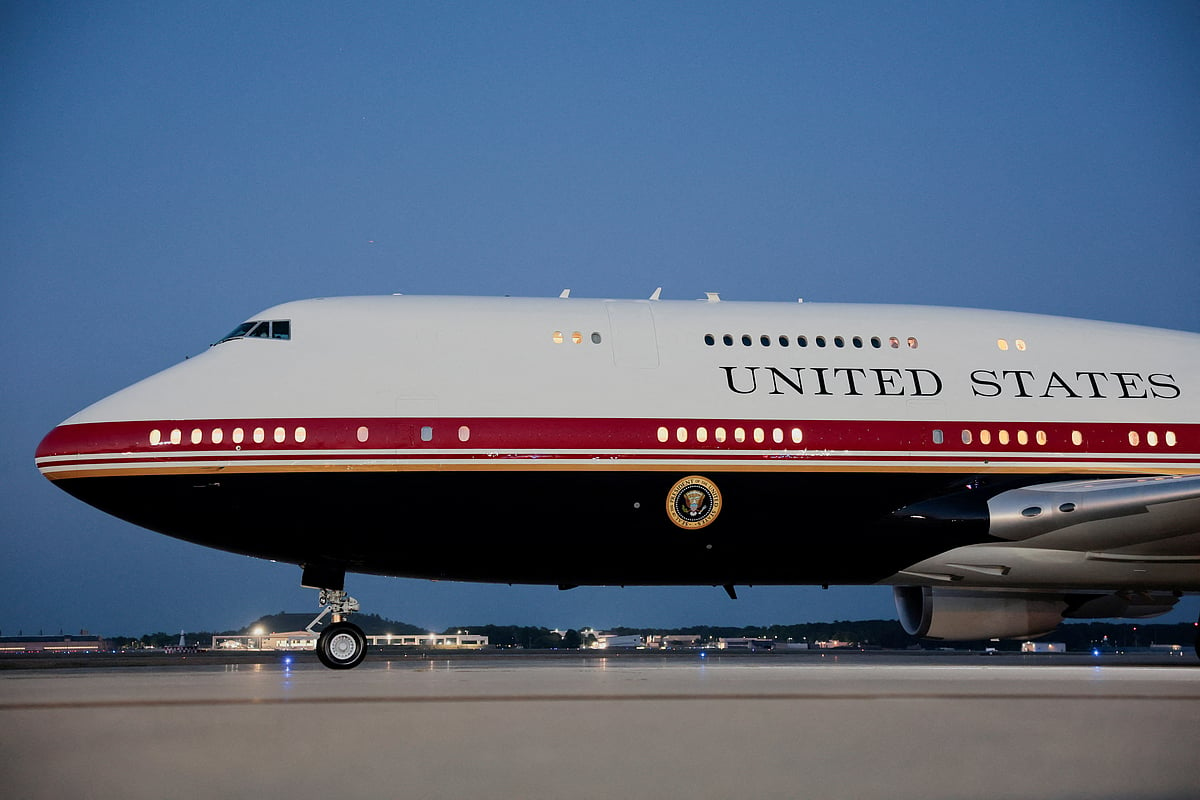
President Donald Trump was compelled to abandon a newly acquired Boeing 747-8 aircraft, a gift from Qatar, during his recent trip to Turkey. This decision stemmed from concerns that the new plane lacked the advanced defensive capabilities, specifically missile countermeasures, present in the older Air Force One models. Multiple officials familiar with the aircraft's refurbishment confirmed that these crucial protective systems were not integrated into the Qatar-gifted jet. Experts deem traveling abroad on this aircraft without such defenses a significant security risk, a concern that materialized when the Secret Service requested Trump switch to the older, more secure Air Force One for his departure from Turkey. This incident has intensified scrutiny from U.S. lawmakers, who are demanding clarity from the Trump administration regarding the security protocols of the new aircraft. The U.S. Air Force, while refusing to comment on specific security features, stated the Boeing 747-8 is serving as a temporary "bridge" aircraft until two new, permanently configured presidential Boeing jets are ready. However, the Air Force had previously acknowledged that the gifted aircraft, while ready for presidential transport, was not equipped with all standard Air Force One systems due to time constraints in its refurbishment, which had been ongoing for about a year under Air Force supervision. This decision to use a potentially less secure aircraft, especially given Turkey's border with Iran and recent U.S. military actions against Iran, has raised alarms among former defense officials who believe insufficient time was allocated for the necessary security modifications. Despite White House assurances of high-level security protocols, the lack of specific details and the urgency with which Trump pushed for the new plane's operational status, reportedly due to dissatisfaction with the older model's appearance, have fueled concerns that personal preference may have overshadowed national security considerations.
The incident highlights a potential conflict between presidential preference for modern amenities and the stringent security requirements of presidential air travel. The hurried integration of a gifted aircraft, potentially bypassing standard security upgrade timelines, raises questions about governance and risk assessment within the executive branch. Future administrations may need to establish clearer protocols for accepting and deploying gifted assets for critical national security functions, ensuring that technological upgrades and security certifications are not compromised by political expediency or aesthetic desires. The reliance on temporary solutions, even with assurances, underscores the systemic challenges in maintaining and modernizing the presidential fleet, particularly when facing evolving geopolitical threats and rapid technological advancements.
AI-generated to prompt reflection — not editorial opinion, not advice, not a statement of fact. How this works.