Trump Accuses China of Election Fraud in 2020 US Vote
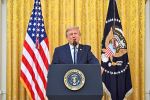
Former US President Donald Trump has accused China of engaging in election fraud during the 2020 US presidential election. China has officially denied these allegations. Trump's claims are based on declassified intelligence documents that he asserts demonstrate vulnerabilities in vote-counting systems to foreign interference. These documents, according to Trump, provide evidence of the potential for external manipulation of the electoral process. The former president continues to voice concerns about the integrity of the 2020 election results, citing these intelligence findings as support for his position. The specific nature of the alleged foreign interference and the extent of the vulnerabilities remain points of contention.
The assertion of foreign interference in electoral systems, particularly from state actors like China, raises significant concerns regarding democratic process integrity. While declassified documents may offer insights into system vulnerabilities, their interpretation can be subject to political framing. The focus on potential foreign influence highlights a critical tension between national security interests and the transparency required for public trust in elections. Moving forward, robust cybersecurity measures and transparent auditing processes are essential to mitigate such risks and ensure the legitimacy of electoral outcomes in an increasingly interconnected digital landscape. Addressing these vulnerabilities proactively is crucial for maintaining confidence in democratic institutions against evolving geopolitical and technological challenges.
AI-generated to prompt reflection — not editorial opinion, not advice, not a statement of fact. How this works.