Trump Accuses Oil Companies of Profiteering Amidst Middle East Conflict
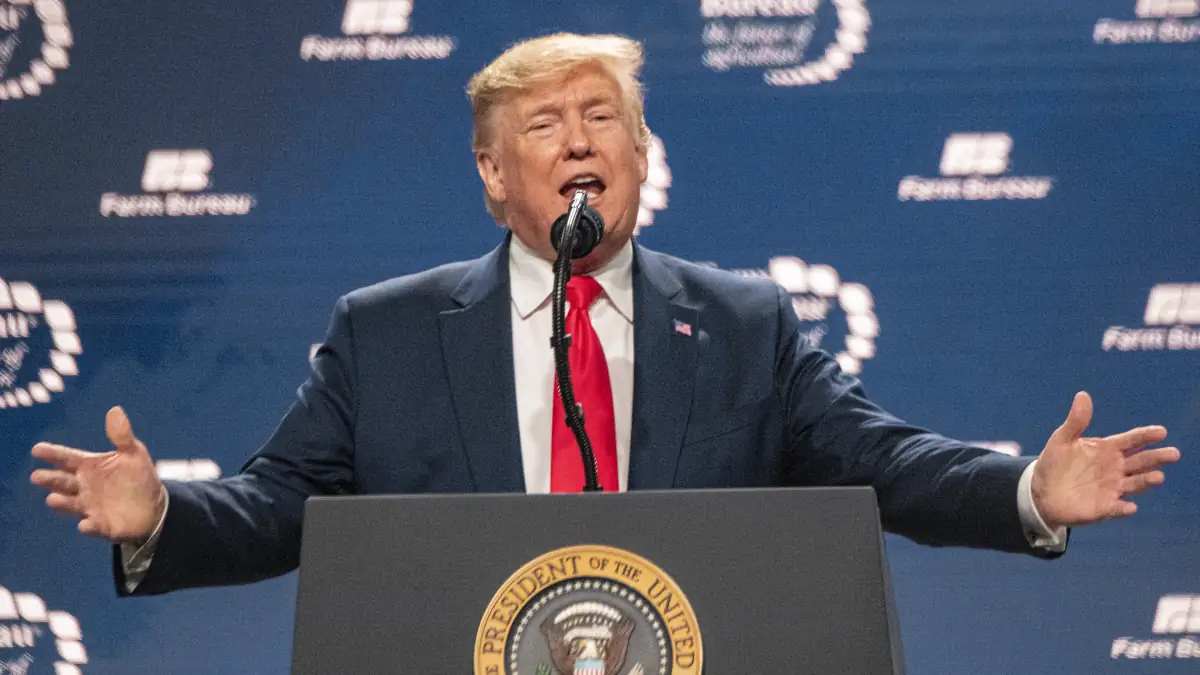
Former U.S. President Donald Trump has criticized major American oil companies, citing their particularly high financial results. These criticisms come in the context of soaring energy prices, which are linked to the ongoing conflict in the Middle East. Speaking from the White House on Monday, August 3rd, President Trump urged these companies to lower fuel prices. He suggested that the companies were exploiting the situation for financial gain, a sentiment that has been echoed by some political factions. The call for price reductions highlights the tension between energy producers and consumers, particularly during periods of geopolitical instability. This situation raises questions about market regulation and the responsibility of energy giants during global crises. The financial performance of these companies is under scrutiny as consumers grapple with increased costs at the pump.
The former president's remarks highlight a recurring tension between energy producers and consumers, particularly during periods of geopolitical instability. The financial results of oil companies are often scrutinized when energy prices surge, leading to accusations of profiteering. This dynamic reflects broader market structures where supply disruptions, driven by international events, can significantly impact pricing. The calls for price reductions, while politically resonant, raise complex questions about market intervention versus free-market principles. Examining this situation through a longer-term lens, the reliance on fossil fuels and the inherent price volatility associated with global supply chains present systemic challenges. Future energy policies may need to address not only supply security but also mechanisms to mitigate extreme price fluctuations and their societal impact.
AI-generated to prompt reflection — not editorial opinion, not advice, not a statement of fact. How this works.
