Trump addresses NATO summit after Iran ceasefire ends amid escalating tensions
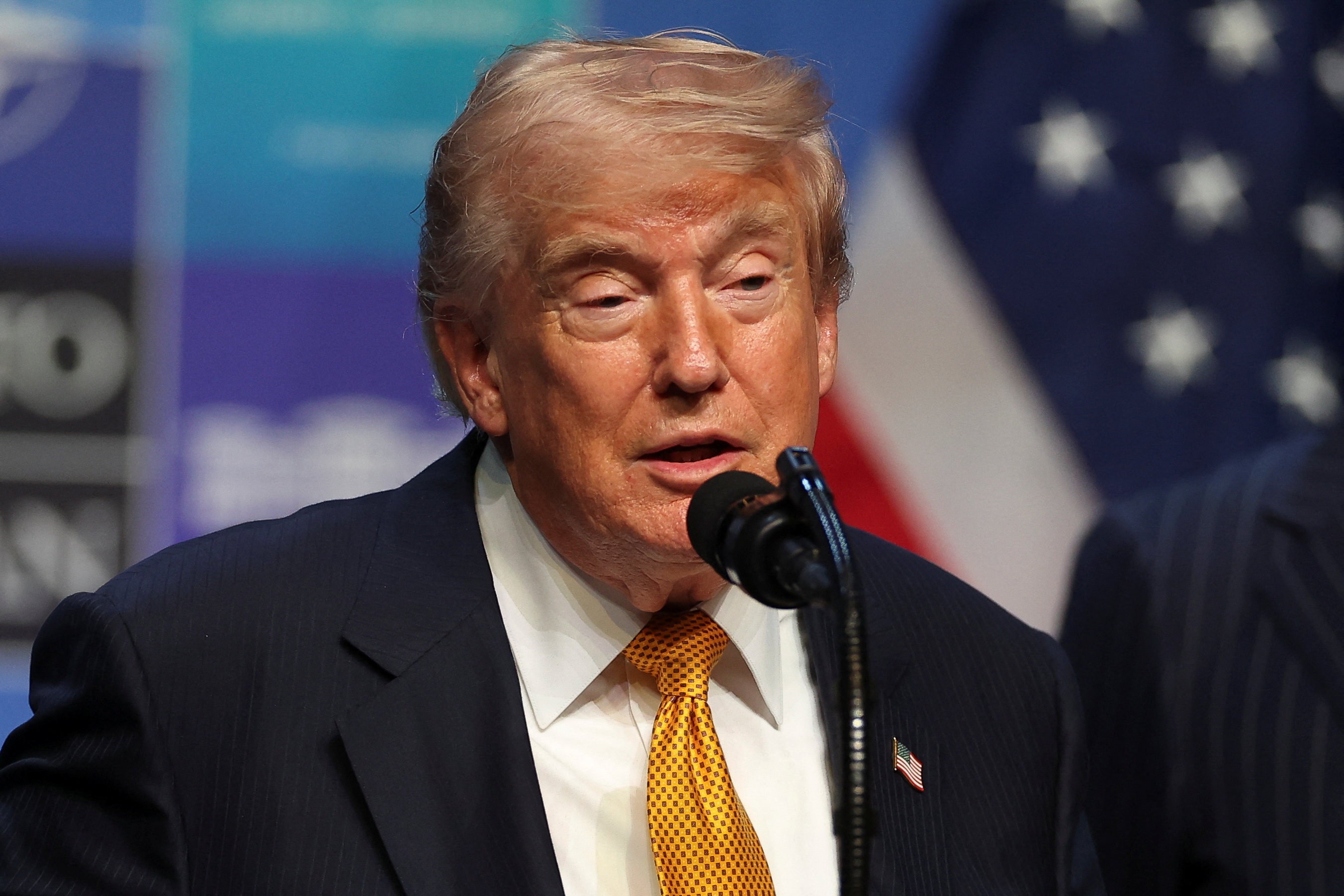
President Donald Trump is speaking at the NATO summit following his announcement that the ceasefire with Iran has ended. The United States and Iran had entered into a preliminary peace agreement in June, but tensions resurfaced on Tuesday night and into Wednesday morning. Trump declared he would launch a "major strike" against Iran on Wednesday evening, a statement made after a renewed exchange of attacks that effectively ended the truce signed in July. Trump's statements have been contradictory; earlier he stated the peace deal with Tehran was "over," but later expressed uncertainty about its continuation. On Tuesday night, the U.S. military initiated an offensive against Iran in retaliation for Iranian attacks on commercial vessels in the Strait of Hormuz. In response, Iran launched attacks on U.S. bases in Bahrain and Kuwait early Wednesday and threatened to re-close the Strait of Hormuz.
The sequence of events highlights the volatile nature of geopolitical standoffs, particularly in regions critical to global trade. President Trump's public statements, oscillating between definitive action and uncertainty, create ambiguity for allies and adversaries alike. This dynamic may stem from domestic political considerations or the inherent complexities of managing international crises. The reliance on military responses and retaliatory actions, rather than sustained diplomatic engagement, risks escalating conflicts and undermining established international frameworks. Future policy should consider the long-term implications of such reactive strategies on regional stability and global economic security, exploring de-escalation mechanisms that prioritize dialogue and verifiable commitments over immediate military posturing.
AI-generated to prompt reflection — not editorial opinion, not advice, not a statement of fact. How this works.