Trump Administration Bans Imports of Foreign-Made Humanoid Robots
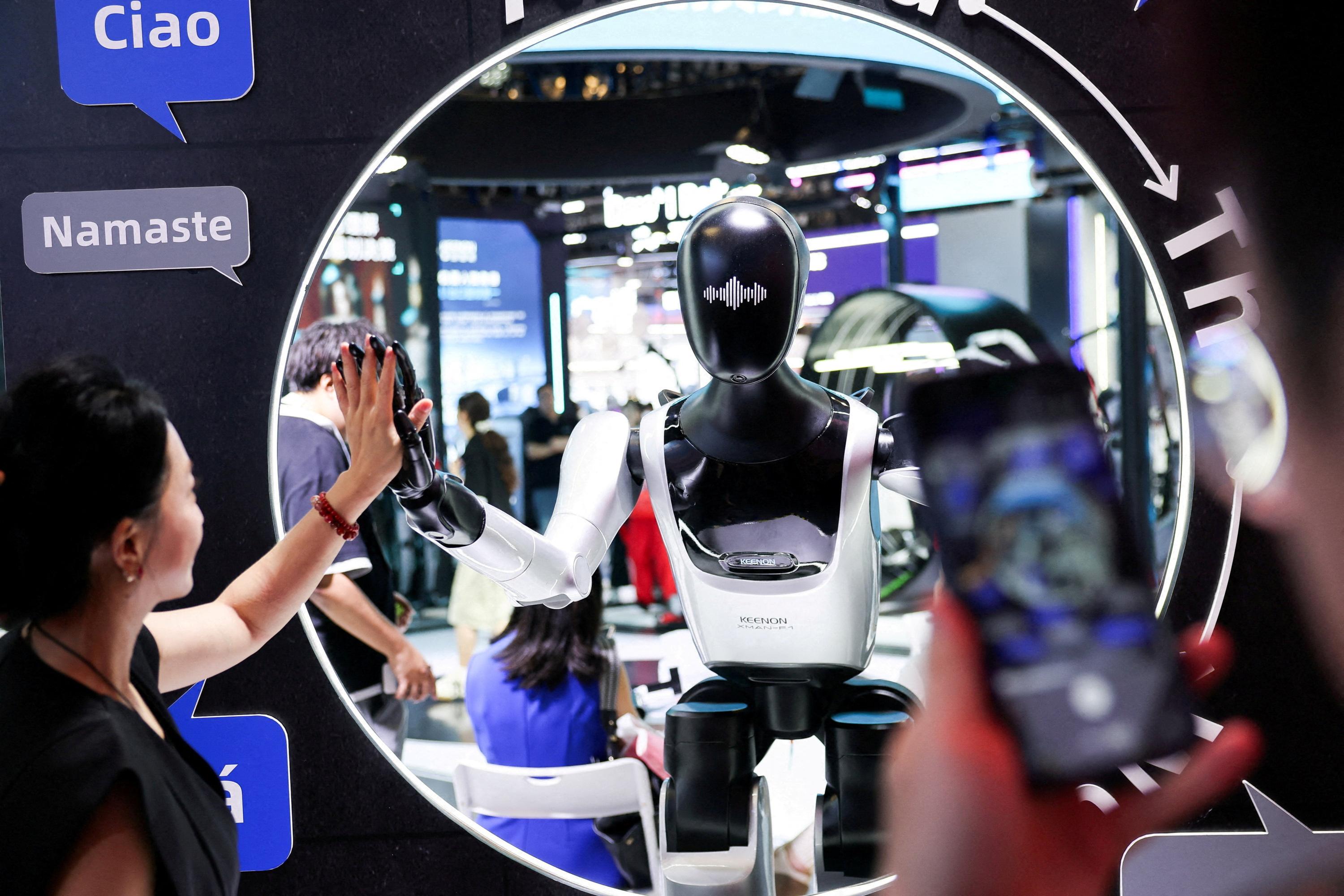
The Trump administration has implemented a ban on the importation of humanoid robots manufactured outside of the United States. This policy directly impacts the availability of such advanced robotics within the U.S. market. A significant portion of the humanoid robots currently sold in the United States are produced in foreign countries. China is specifically mentioned as a primary source for these imported robots. The ban aims to redirect manufacturing and technological development within the robotics sector towards domestic production. It is anticipated that this measure will influence supply chains and potentially increase the cost of advanced robotics for American consumers and businesses. The long-term effects on innovation and market competition remain to be seen.
The Trump administration's ban on importing foreign-made humanoid robots reflects a protectionist trade policy aimed at bolstering domestic manufacturing and technological independence. This move could stimulate U.S. investment in robotics research and production, potentially creating jobs and fostering domestic innovation. However, it also risks isolating U.S. markets from global advancements, potentially slowing overall progress if domestic capabilities cannot match international development at the same pace. The policy may lead to higher costs for U.S. consumers and businesses reliant on these technologies, impacting sectors from logistics to healthcare. Furthermore, such measures can invite retaliatory tariffs from other nations, escalating trade tensions and disrupting established supply chains. The long-term economic and technological implications will depend on the U.S. industry's ability to scale production and innovate effectively in response to this protectionist impulse.
AI-generated to prompt reflection — not editorial opinion, not advice, not a statement of fact. How this works.