Trump Administration Charges Minneapolis Protesters with Conspiracy
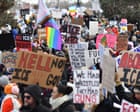
The Trump administration has indicted fifteen individuals in Minneapolis, referred to as the 'Minnesota 15', on conspiracy charges. These charges stem from their opposition to an Immigration and Customs Enforcement (ICE) crackdown. Emmett Doyle, one of the indicted individuals, is a musician and carpenter whom the U.S. government alleges is an "antifa" domestic terrorist. Doyle recently pleaded not guilty to the conspiracy charges and expressed that a protest ballad has been a source of inspiration for him to find courage during this ordeal. This action by the Trump Department of Justice (DoJ) is seen by organizers as an attempt to criminalize resistance to government actions. The protesters maintain their stance and have indicated they will not back down in the face of these charges.
The indictment of Minneapolis protesters on conspiracy charges, particularly in the context of opposing an ICE crackdown, raises questions about the application of federal law enforcement tools to dissent. The characterization of individuals as "antifa" domestic terrorists by the government, coupled with conspiracy charges, suggests a strategy to potentially deter future protests through criminalization. This approach could be viewed through the lens of balancing national security and immigration enforcement with the constitutional right to protest. The long-term implications may involve increased scrutiny of activist groups and a potential chilling effect on public assembly, prompting a societal dialogue on the boundaries between protected speech and alleged seditious activity in the digital age.
AI-generated to prompt reflection — not editorial opinion, not advice, not a statement of fact. How this works.