Trump Administration Cites National Security to Halt Offshore Wind Projects
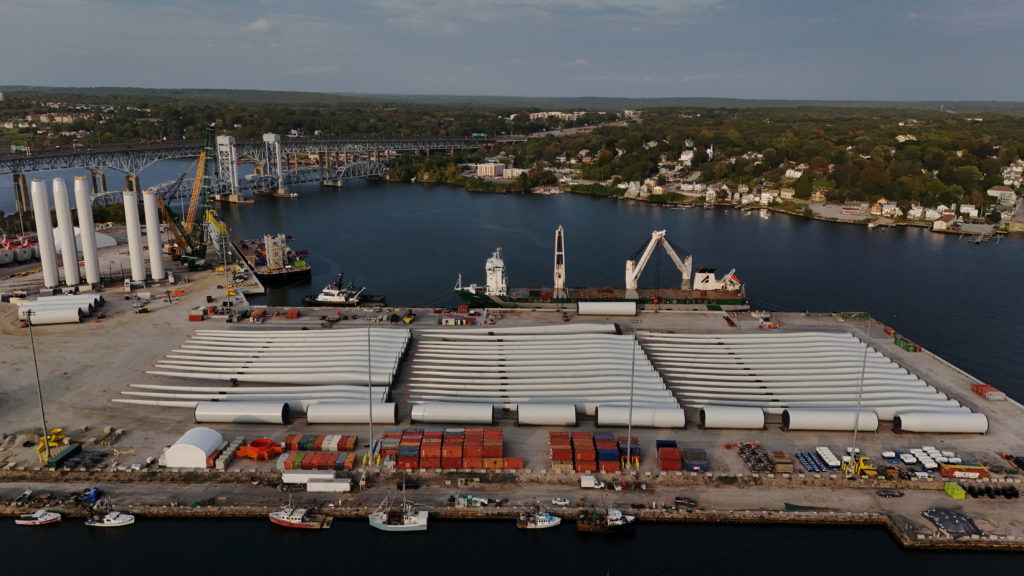
The Trump administration has been actively working to halt offshore wind development, citing national security concerns. This initiative has been ongoing since late last year. The administration's stance suggests a belief that these wind farms pose a threat to the nation's security interests. The specific details of how offshore wind development is considered a national security risk have not been elaborated upon in this statement. This policy direction could have significant implications for the renewable energy sector and the broader energy landscape in the United States. Further information is needed to understand the full scope and justification for these national security claims. The administration's actions signal a potential roadblock for projects aimed at expanding wind energy capacity off the U.S. coast. The rationale behind this decision is a key point of interest for stakeholders in the energy industry and environmental advocacy groups. Understanding the administration's perspective on national security in relation to renewable energy infrastructure is crucial.
The Trump administration's invocation of national security to impede offshore wind development presents a complex interplay between energy policy and geopolitical considerations. From an analytical perspective, the stated national security risk warrants scrutiny regarding the specific vulnerabilities identified and the proportionality of the proposed solution. Alternative energy sources, particularly those that reduce reliance on volatile global fossil fuel markets, are often framed as enhancing national security through energy independence. The administration's decision may reflect a strategic prioritization of certain defense interests over renewable energy expansion, or potentially a response to specific lobbying efforts. Examining the long-term economic and environmental trade-offs, as well as the potential for technological solutions to mitigate any identified security risks, will be crucial for future energy infrastructure planning in the coming decade.
AI-generated to prompt reflection — not editorial opinion, not advice, not a statement of fact. How this works.