Trump Administration Considers $100,000 Bond for Some Green Card Applicants
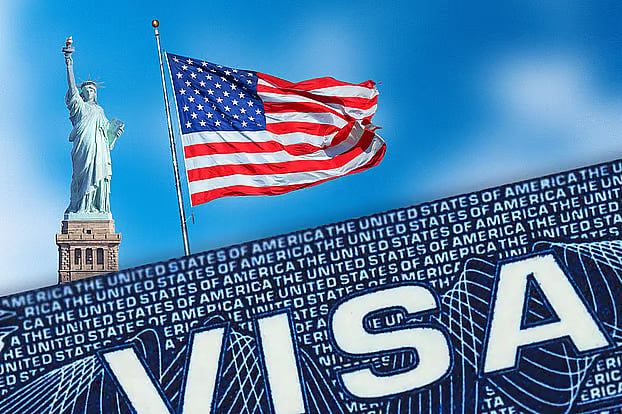
The Trump administration is reportedly considering a policy that would require certain Green Card applicants to post a $100,000 bond (approximately 12.2 million Bangladeshi Taka). This financial security would not be an application fee but rather a temporary deposit. A spokesperson for the U.S. Department of State indicated that the initiative aims to ensure applicants are financially self-sufficient and can contribute to American society, preventing reliance on public assistance. While current Green Card application fees vary by country and category, this proposed bond would be an additional requirement for those deemed high-risk or likely to become a 'public charge.' The State Department stated that the applicant or their family members in the U.S. would deposit the funds, which would be refundable upon meeting specific conditions. Immigration lawyers have strongly criticized the proposal. Sharvari Dalal-Dheini of the American Immigration Lawyers Association argued that this policy would transform the immigration system into a 'pay-to-play' model, favoring wealthy individuals and making it harder for low-income people to immigrate legally. Analysts note that this is still a proposed policy, but it has generated significant concern among immigrants, including those from Bangladesh, as part of a broader trend of stricter immigration enforcement under the Trump administration.
This proposed policy reflects a potential shift towards a more market-driven, financially exclusionary approach to legal immigration. By introducing a substantial bond requirement, the administration appears to be prioritizing applicants perceived as having greater immediate economic potential or lower perceived risk of public dependency. This system could inadvertently create a tiered immigration process, favoring individuals with substantial financial resources over those with strong family ties or other non-economic contributions. Such a policy may also face legal challenges related to fairness and equal protection, as it could disproportionately impact applicants from less affluent backgrounds or countries. Looking ahead, the long-term implications for social integration and economic diversity within the U.S. warrant careful consideration, as immigration policies increasingly intersect with global economic disparities and technological advancements.
AI-generated to prompt reflection — not editorial opinion, not advice, not a statement of fact. How this works.