Trump Administration Exempts Data Centers and Rocket Launches from Environmental Regulations
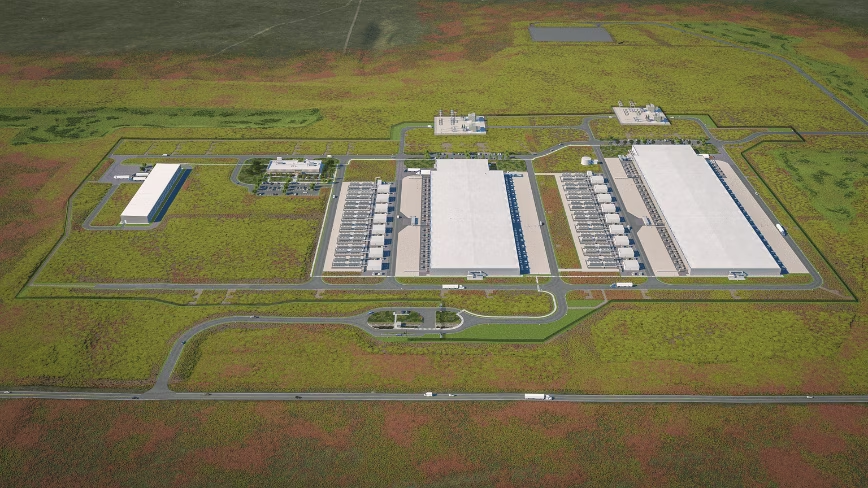
The Trump administration has taken steps to remove environmental regulations impacting the technology sector, specifically targeting data centers and rocket launches. On Tuesday, two separate actions were implemented with the stated justification of supporting the tech boom. The first measure exempts data centers from regulations designed to prevent acid rain. The second action streamlines the process for rocket launches by freeing them from federal environmental review. These decisions reflect a broader effort by the administration to clear regulatory hurdles for industries perceived as drivers of economic growth. The administration's rationale centers on the idea that these industries require significant power and infrastructure, such as that provided by rocket launches, to thrive. By reducing environmental oversight, the administration aims to accelerate development and investment in these key technological areas. This move signals a potential shift in regulatory priorities, balancing environmental concerns with the perceived needs of the burgeoning AI and tech industries.
The administration's decision to exempt data centers from acid rain regulations and rocket launches from environmental review highlights a tension between technological advancement and environmental protection. This policy approach prioritizes the immediate needs of rapidly expanding industries, such as AI, which have substantial energy demands and require robust infrastructure for development and deployment. By reducing regulatory burdens, the government incentivizes investment and innovation in these sectors. However, this strategy raises questions about long-term sustainability and the potential for cumulative environmental impacts. Future policy will likely need to reconcile the accelerating pace of technological change with established environmental safeguards, potentially through the development of more targeted or adaptive regulatory frameworks that can accommodate both growth and ecological responsibility within the next decade.
AI-generated to prompt reflection — not editorial opinion, not advice, not a statement of fact. How this works.