Trump Administration Plans Tariffs on 60 Trading Partners Over Forced Labor
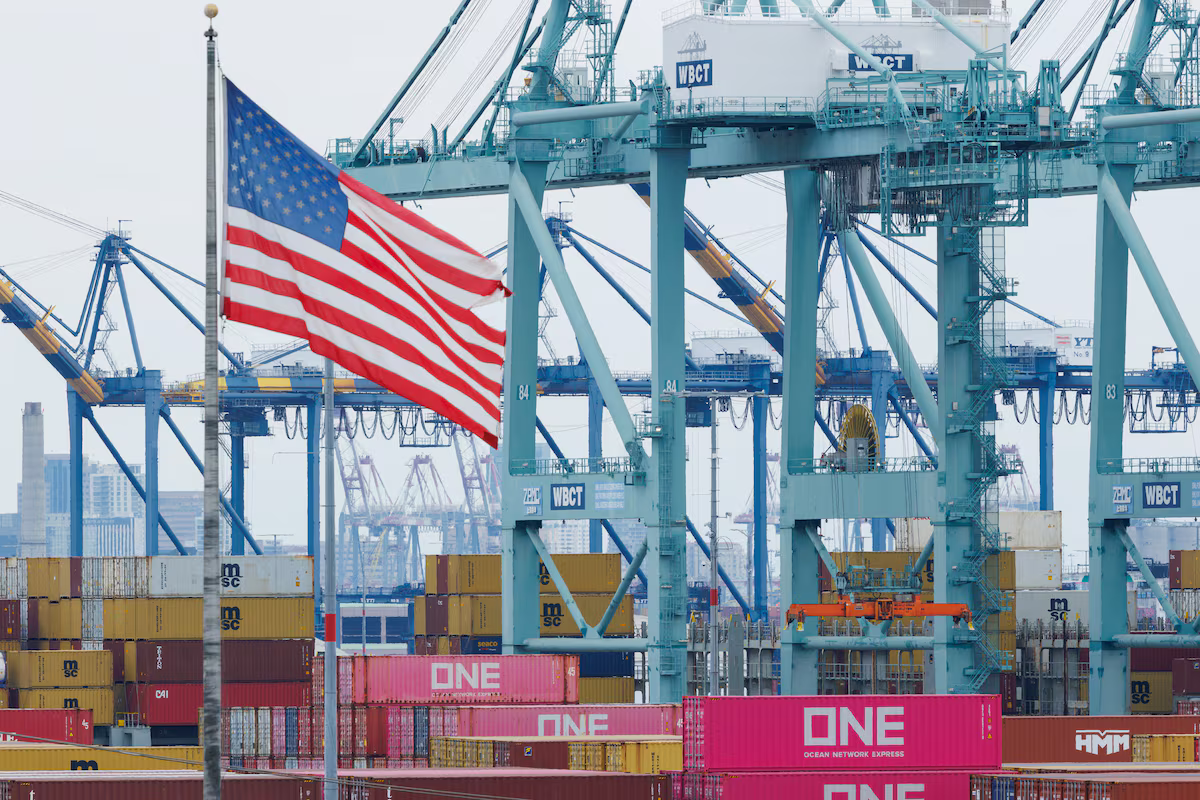
The Trump administration is preparing to implement new global tariffs, with rates of 10% and 12.5%, affecting approximately 60 trading partners. This move is intended to address and penalize forced labor practices within these countries. The tariffs are expected to significantly alter existing global trade dynamics and economic relationships. Officials stated the goal is to create a more equitable international trade environment by discouraging unfair labor practices. The specific list of countries targeted has not yet been released, but the administration has indicated a broad scope for these measures. This initiative represents a significant escalation in the use of trade policy to enforce international labor standards. The economic impact on both the United States and the targeted nations is anticipated to be substantial, potentially leading to retaliatory measures. The administration aims to leverage these tariffs as a tool to reshape global supply chains and promote ethical sourcing. This policy shift underscores a broader trend of using economic pressure to achieve foreign policy objectives.
The described tariff imposition by the U.S. administration, targeting forced labor, reflects a strategic use of economic policy to influence international practices. This approach leverages trade leverage to address human rights concerns, potentially creating complex geopolitical and economic ripple effects. The administration's stated aim is to reshape global trade dynamics and promote ethical sourcing, which could lead to shifts in supply chains and international business operations. However, such measures may also invite retaliatory actions from affected trading partners, potentially escalating trade disputes and impacting global economic stability. The long-term effectiveness will depend on the sustained application of these policies, international cooperation, and the ability to navigate potential circumvention strategies by targeted entities. This policy highlights the growing intersection of trade, labor, and foreign policy in the current global landscape.
AI-generated to prompt reflection — not editorial opinion, not advice, not a statement of fact. How this works.