Trump Administration Regularly Threatens Election Officials with Arrest, Becker Claims
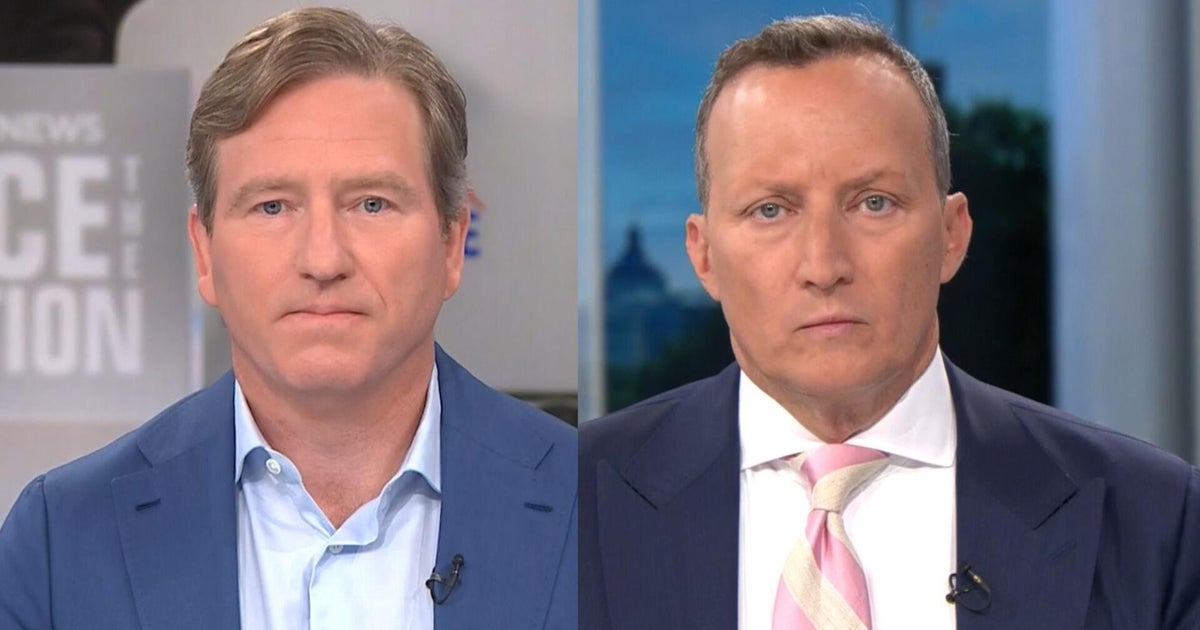
David Becker, a CBS News contributor, stated that threats of arrest against election officials from the Trump administration are a frequent occurrence, happening "hardly a week goes by." This statement was made following President Trump's recent speech alleging China accessed election data. Becker's remarks were shared during an appearance on "Face the Nation with Margaret Brennan." Homeland Security Secretary Markwayne Mullin also commented on election security, suggesting that officials who fail to secure elections could face penalties ranging from fines to prison time, depending on the severity of the lapse. Mullin's comments imply a potential for punitive action against election administrators if security standards are not met. Becker characterized the administration's threats as a recurring and almost routine aspect of their rhetoric. The exchange highlights ongoing tensions and scrutiny surrounding election integrity and the accountability of those managing the electoral process within the United States.
The recurring threats of arrest against election officials by members of the administration, as reported by David Becker, raise questions about the institutional norms and potential for political pressure on non-partisan electoral processes. While Secretary Mullin's comments frame potential penalties as a mechanism for ensuring election security, the frequency and nature of these threats, as described by Becker, could be interpreted as an attempt to intimidate or influence election administrators. This dynamic warrants examination through the lens of democratic governance, considering how executive branch rhetoric might impact the perceived independence and operational integrity of state and local election bodies. Future administrations will need to navigate the delicate balance between accountability and the potential for politicization of election oversight to maintain public trust in electoral outcomes.
AI-generated to prompt reflection — not editorial opinion, not advice, not a statement of fact. How this works.