Trump Administration Replaces Slavery Exhibit at Washington's Home, Drawing Criticism
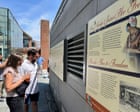
Critics are denouncing the Trump administration for replacing an exhibit at George Washington's former Philadelphia home that explored the lives of nine enslaved individuals. The new panels reportedly present a version more sympathetic to enslavers and are seen by critics as an effort to whitewash American history. This change follows a six-month dispute between the city of Philadelphia and the Trump administration concerning the enslavement memorial. Critics have labeled the administration's actions as occurring "under the cover of darkness" and have expressed concerns that this move is part of a broader effort to dismantle diversity initiatives. They argue that this replacement is a "first step to fascism" and undermines a truthful representation of the nation's origins.
The alteration of historical exhibits, particularly those concerning slavery, raises questions about narrative control and the interpretation of national identity. Such actions can be viewed through the lens of competing historical perspectives and the political utilization of public memory. The controversy highlights the ongoing tension between acknowledging difficult historical truths and constructing a more palatable national narrative. In the context of evolving societal understandings of race and history, decisions about how to present the past can significantly influence present-day discourse and future reconciliation efforts. The long-term implications involve how such revisions shape public education and the collective memory of foundational historical injustices.
AI-generated to prompt reflection — not editorial opinion, not advice, not a statement of fact. How this works.