Trump Administration Rules Sewer Sludge Poses No Public Health Risk
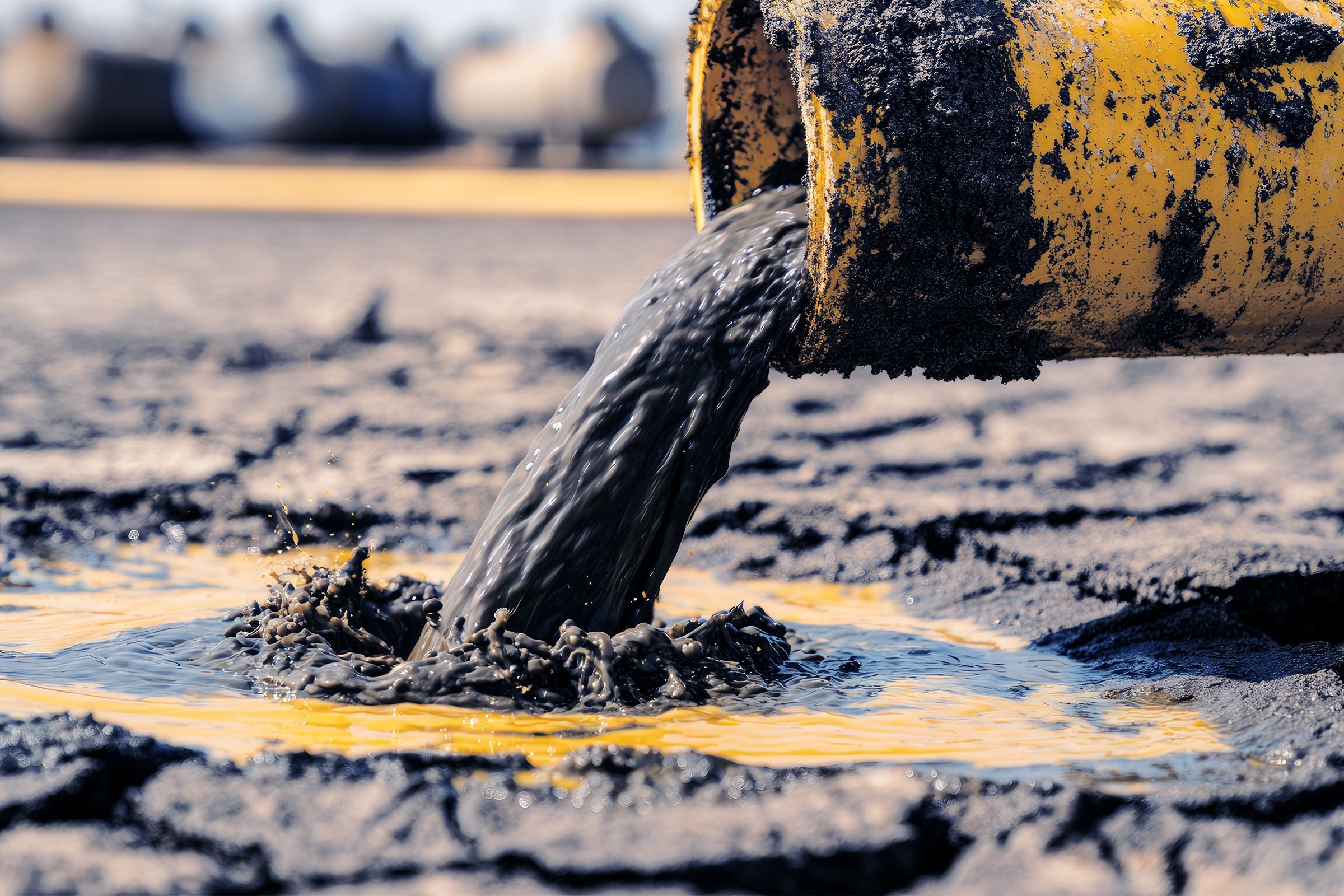
The Trump administration has issued a determination that toxic sewer sludge does not pose a threat to public health. This decision has drawn sharp criticism, with opponents suggesting it disregards the well-being of farmers and rural communities. The move implies that the Environmental Protection Agency (EPA) will not be implementing stricter regulations on the disposal and use of biosolids, which are the treated solids from sewage treatment plants. These biosolids are often applied to agricultural land as fertilizer. Critics argue that the sludge can contain a range of harmful contaminants, including heavy metals, pharmaceuticals, and microplastics, which could leach into soil and water systems. The administration's stance suggests a belief that current practices are adequate or that the risks are manageable. This ruling is likely to be contentious, pitting agricultural interests and environmental concerns against regulatory leniency. The debate centers on the potential long-term health and environmental impacts of widespread land application of treated sewage.
The Trump administration's determination regarding sewer sludge reflects a regulatory approach prioritizing industrial and agricultural practices over potential environmental and public health risks. This stance may stem from a desire to reduce regulatory burdens on industries and facilitate the reuse of waste materials. However, it raises questions about the adequacy of scientific assessments used to justify the decision and the long-term implications for soil and water quality. Future administrations may face challenges in reversing such determinations or addressing any unforeseen environmental consequences. The ruling highlights a recurring tension between economic development and environmental stewardship, particularly concerning the management of industrial byproducts.
AI-generated to prompt reflection — not editorial opinion, not advice, not a statement of fact. How this works.