Trump Administration Seeks $67 Billion More for Middle East Operations Amid Iran Tensions
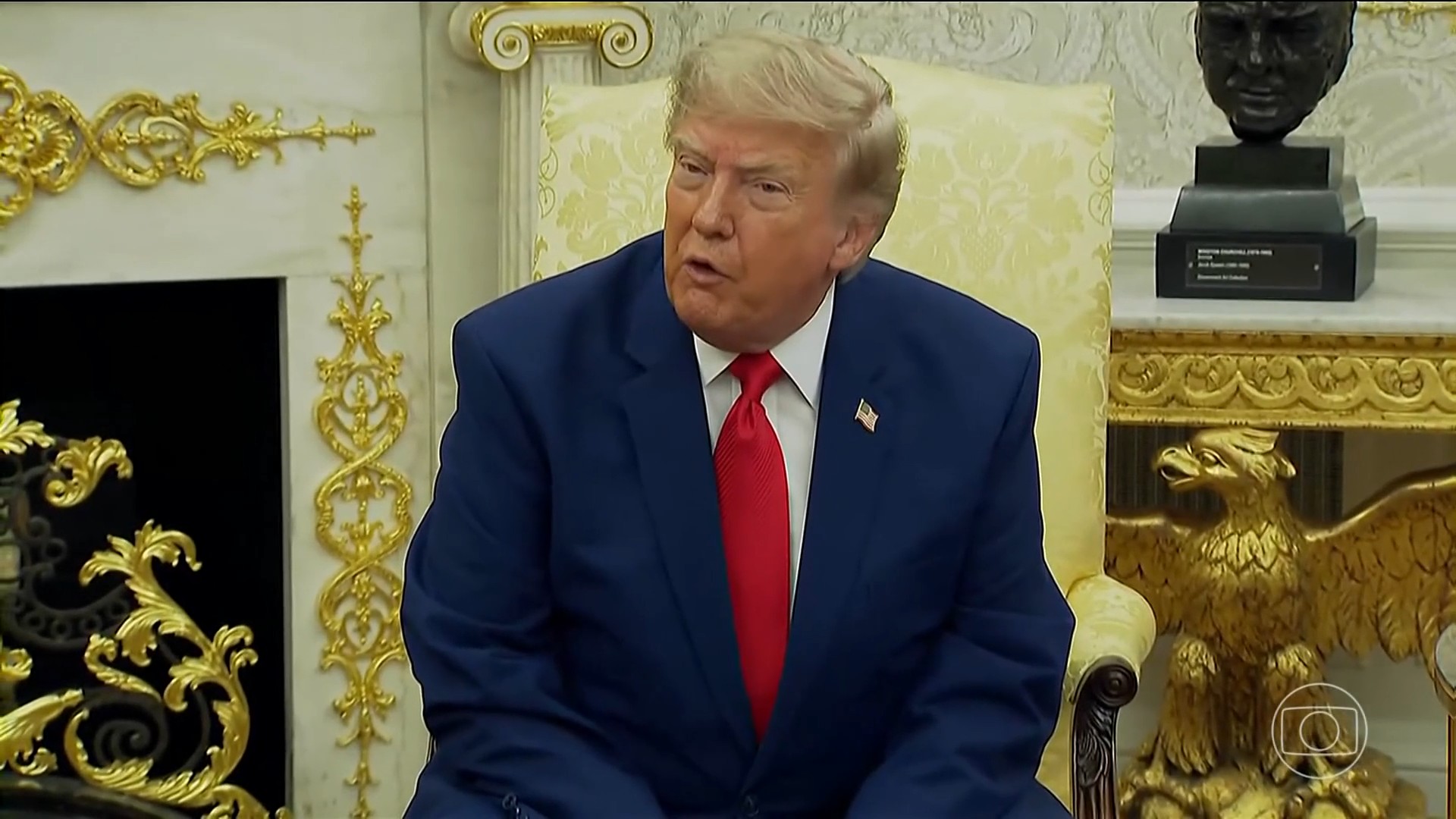
The Trump administration is requesting an additional $67 billion from Congress to fund ongoing military operations in the Middle East, according to Secretary of War Pete Hegseth. This request comes as the United States and Iran have escalated their conflict, engaging in reciprocal attacks. President Donald Trump stated that Iran is eager to negotiate but indicated that the U.S. is not currently interested in talks. Trump also suggested an expansion of American military actions, noting, "We are not done yet," and specifically mentioned a potential strike on an underground facility near Tehran linked to Iran's nuclear program. The discussions also touched upon the conflict between Israel and Hezbollah, an Iran-backed group in Lebanon. In recent days, U.S. forces have conducted strikes against Iranian military targets, including command centers and sites for missile and drone launches. Iran responded by targeting U.S. bases in Kuwait, Bahrain, and Jordan, with Kuwait reporting damage to power and water desalination plants. Additionally, Houthi rebels in Yemen, also supported by Iran, have threatened ships in the Bab el-Mandeb strait, leading some vessels to alter their course. Hegseth informed Congress that the conflict has already cost $37 billion in less than five months and that the additional funds are crucial for maintaining operations, replenishing equipment, and sustaining vital activities. Some Pentagon budget areas reportedly face depletion within weeks, though Congress has not yet scheduled a vote on the funding request, with a summer recess approaching.
The U.S. administration's request for substantial additional funding highlights the significant financial commitment required for sustained military engagement in the Middle East. This situation underscores the complex geopolitical dynamics and the potential for prolonged conflict, necessitating robust resource allocation for defense readiness and operational capacity. The interplay between escalating tensions, diplomatic signaling, and the need for material support presents a critical challenge for legislative bodies tasked with oversight. Evaluating such requests requires a careful balance between national security imperatives and fiscal responsibility, particularly in light of the substantial sums already expended and the ongoing regional instability. Future strategic planning must consider the long-term economic implications of such commitments and explore avenues for de-escalation to mitigate escalating costs and risks.
AI-generated to prompt reflection — not editorial opinion, not advice, not a statement of fact. How this works.